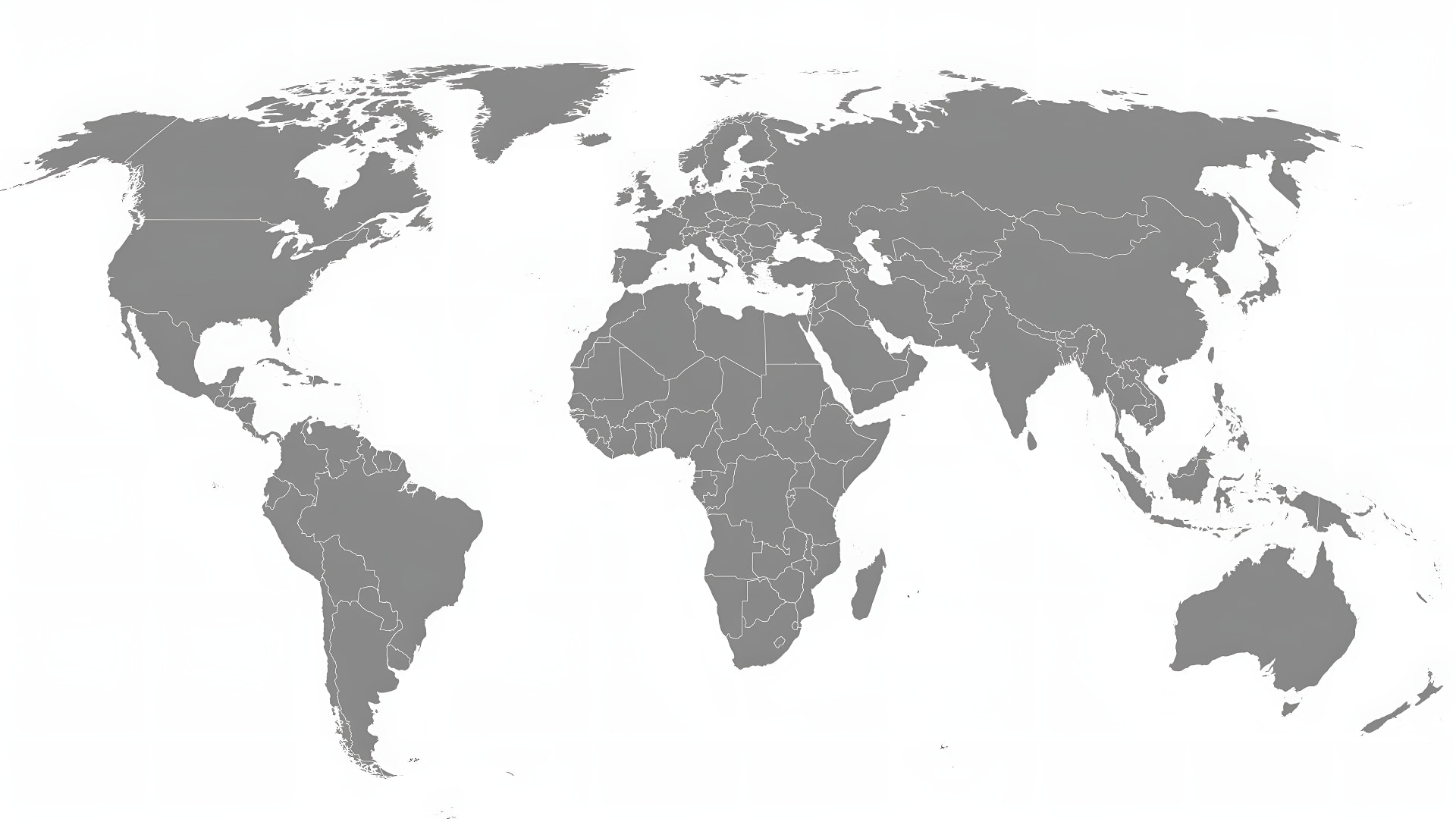
Africa Time Zones
Explore Africa
Africa Overview
Africa is the second-largest continent and the birthplace of humanity. With over 50 countries and more than 1.4 billion people, it represents incredible cultural and linguistic diversity. The continent spans from the Mediterranean coast to the Cape of Good Hope, encompassing deserts, rainforests, and savannas.
- Population
- 1.3B
- Countries
- 58
- Time Zones
- 59
- Area
- 30.36 million km²
Countries in Africa
Africa uses relatively few time zones compared to its size, ranging from UTC-1 in the west to UTC+4 in the east. Most countries do not observe Daylight Saving Time.

Key Facts About Africa
Simple Time Zone Structure
Despite being the second-largest continent, Africa uses relatively few time zones, from UTC-1 to UTC+4.
No DST
Most African countries do not observe Daylight Saving Time, making scheduling simpler throughout the year.
Colonial Legacy
Many African time zones were established during the colonial era and have remained unchanged since independence.
Geographic Alignment
African time zones generally follow geographic boundaries more closely than those in Europe or Asia.
Frequently Asked Questions
What time zone range does Africa cover?
Africa spans from UTC-1 (Cape Verde) to UTC+4 (Mauritius, Seychelles, and parts of Somalia).
Does Africa use Daylight Saving Time?
Most African countries do not observe DST. Morocco is a notable exception, using permanent DST (UTC+1) but reverting to standard time (UTC+0) during Ramadan.
What time zone does most of Africa use?
The most commonly used time zones in Africa are UTC+1 (West Africa Time) and UTC+2 (Central/South Africa Time).