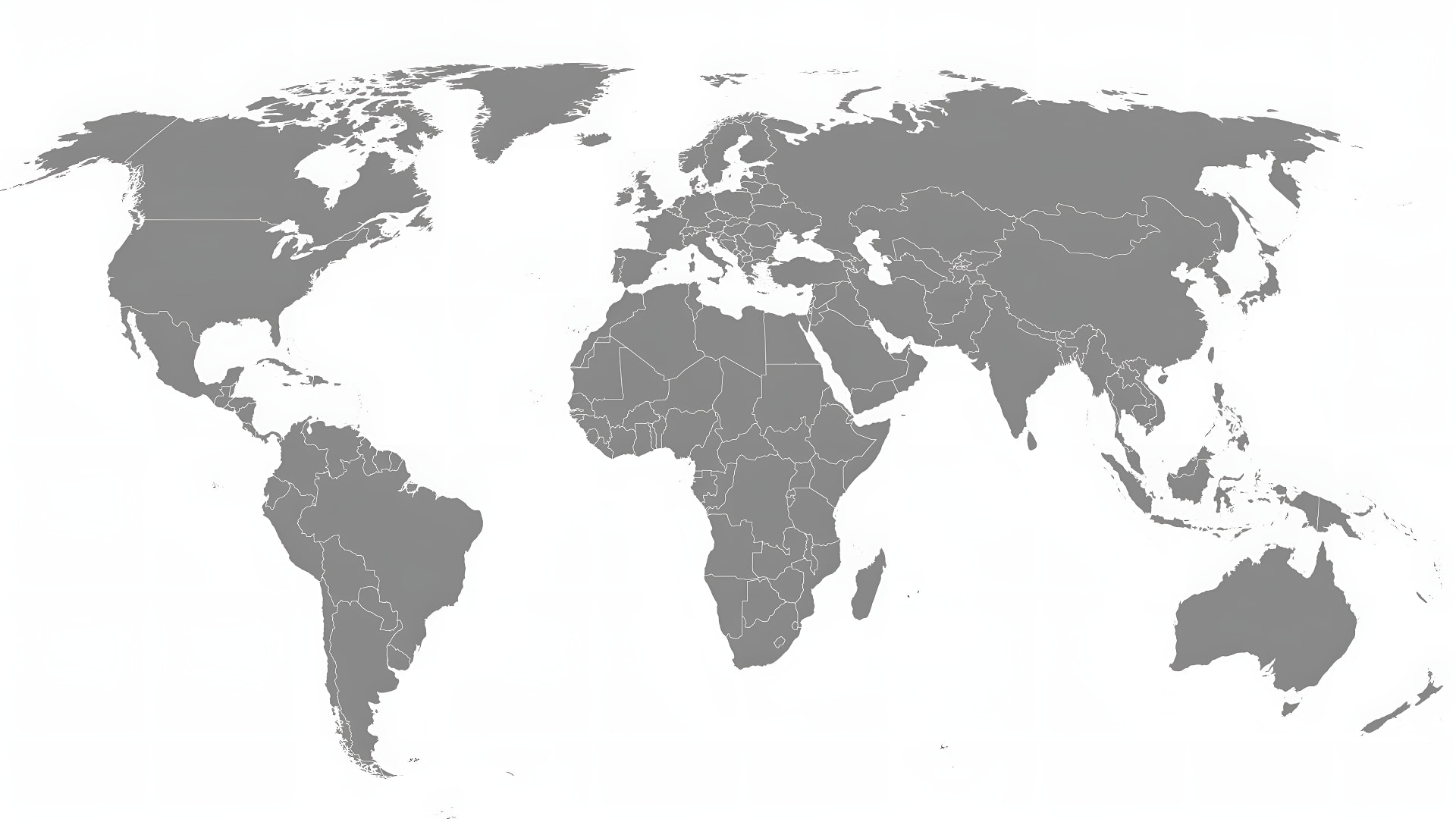
Explore World Continents
World Continents
Explore Time Zones Across All Continents
Our planet is divided into seven continents, each spanning multiple time zones that reflect the Earth's rotation and human settlement patterns. From the bustling cities of Europe to the remote research stations of Antarctica, understanding time zones helps connect people across borders for business, travel, and communication.
- Continents
- 7
- Countries
- 244
- Time Zones
- 400+
- World Population
- 7.6B
Asia
The largest and most populous continent
Covering 30% of the Earth's land area and home to 60% of its population, Asia spans from the Middle East to Japan, encompassing ancient civilizations and modern megacities.
Africa
The birthplace of humanity
The second-largest continent spans from the Sahara Desert to tropical rainforests. A rising economic power with a young, dynamic population.
Europe
The cradle of Western civilization
From the Atlantic coast of Portugal to the Ural Mountains, Europe packs incredible diversity into a compact space. Home to the EU, NATO, and major financial centers.
North America
Land of opportunity and innovation
From Canada's Arctic territories to Panama's tropical forests, North America includes economic powerhouses, diverse cultures, and stunning natural landscapes.
South America
Land of passion and natural wonders
Home to the Amazon rainforest, Andes mountains, and vibrant cultures. From Brazil's megacities to Patagonia's glaciers, South America offers incredible diversity.
Oceania
Islands of paradise and adventure
Australia, New Zealand, and thousands of Pacific islands. Where the International Date Line creates fascinating time anomalies and island nations dot the vast ocean.
Antarctica
The frozen frontier
The coldest, driest, and windiest continent. No permanent population, only research stations where scientists from around the world study climate and wildlife.
Understanding World Time Zones by Continent
Time zones were established in the late 19th century to standardize timekeeping across the globe. Before this, each city kept its own local time based on the sun's position, making railroad scheduling and telegraph communication extremely difficult. Today, the world is divided into 24 primary time zones, though some countries use half-hour or quarter-hour offsets, creating over 40 unique time zones in practice.
Each continent presents its own unique time zone challenges. Europe, despite its relatively small size, spans three time zones from Portugal to the Ural Mountains. Asia, the largest continent, covers an incredible 11 time zones from Turkey to Japan. Understanding these time differences is essential for international business, travel planning, and staying connected with friends and family abroad.
Continent Highlights
Europe - Compact Yet Diverse
Despite being the second-smallest continent, Europe is home to over 40 countries and three main time zones (Western, Central, and Eastern European Time). The European Union coordinates daylight saving time changes, though this practice is under review. Major business hubs like London, Paris, Frankfurt, and Warsaw make Europe a critical time zone for global finance.
Asia - The Giant That Never Sleeps
Spanning from the Middle East to Japan, Asia covers 11 time zones. Interestingly, China uses a single time zone (Beijing Time) despite its vast size, while India uses a unique UTC+5:30 offset. This creates fascinating situations where crossing from China into Afghanistan can set your clock back 3.5 hours instantly.
North America - From Coast to Coast
The continental United States spans four time zones, while Canada covers six. Add Mexico, Central America, and the Caribbean, and you have a complex web of time differences. Daylight saving time is observed in most areas, though Arizona and parts of Canada opt out, adding another layer of complexity.
Africa - The Middle Ground
Africa spans three main time zones and is uniquely positioned as a bridge between European and Asian business hours. Most African countries do not observe daylight saving time, making scheduling more predictable. The continent's 54 countries represent incredible diversity in culture, language, and economic activity.
South America - Vertical Variety
Stretching from the Caribbean to near Antarctica, South America covers four time zones. Brazil alone spans four zones, though most of its population lives in Brasilia Time (UTC-3). The continent's position means it shares convenient business hours with both North America and Europe.
Oceania - Island Time
From Australia's three zones to the scattered Pacific islands, Oceania presents unique time zone challenges. The International Date Line runs through this region, meaning some islands are among the first to see a new day while neighbors are still in "yesterday". Samoa famously skipped December 30, 2011, entirely when switching sides of the date line.
Antarctica - Scientific Time
The frozen continent has no permanent population, only research stations. Each station typically uses the time zone of its home country or the nearest supply base. During the polar summer, the sun never sets, making traditional timekeeping meaningless - researchers often maintain their home country's schedule for psychological comfort.
Frequently Asked Questions
Which continent has the most time zones?
Asia has the most time zones of any continent, spanning 11 different zones from UTC+2 (Turkey) to UTC+12 (far eastern Asia). However, if you count overseas territories, France technically spans the most time zones globally due to its scattered territories.
Why do some countries use half-hour time zones?
Countries like India (UTC+5:30), Iran (UTC+3:30), and Nepal (UTC+5:45) use non-standard offsets to better align with their geographic position relative to the sun. This allows noon to occur closer to when the sun is actually at its highest point in the sky.
Do all countries on a continent use the same time zone?
No, most continents span multiple time zones. For example, Europe spans three main zones, while Asia spans eleven. Even within single countries, multiple time zones are common - the continental United States has four, Canada has six, and Australia has three.
What is the International Date Line?
The International Date Line is an imaginary line running through the Pacific Ocean, roughly following the 180° longitude. When you cross it traveling west, you skip ahead one day; traveling east, you go back one day. This is why some Pacific islands are among the first to celebrate New Year's while others nearby are still in the previous year.
Why does China use only one time zone?
Despite spanning five geographical time zones, China uses a single time zone (Beijing Time, UTC+8) for political unity. This means that in western China, the sun may not rise until 10 AM and doesn't set until nearly midnight in summer. Some regions unofficially use local time for daily activities.