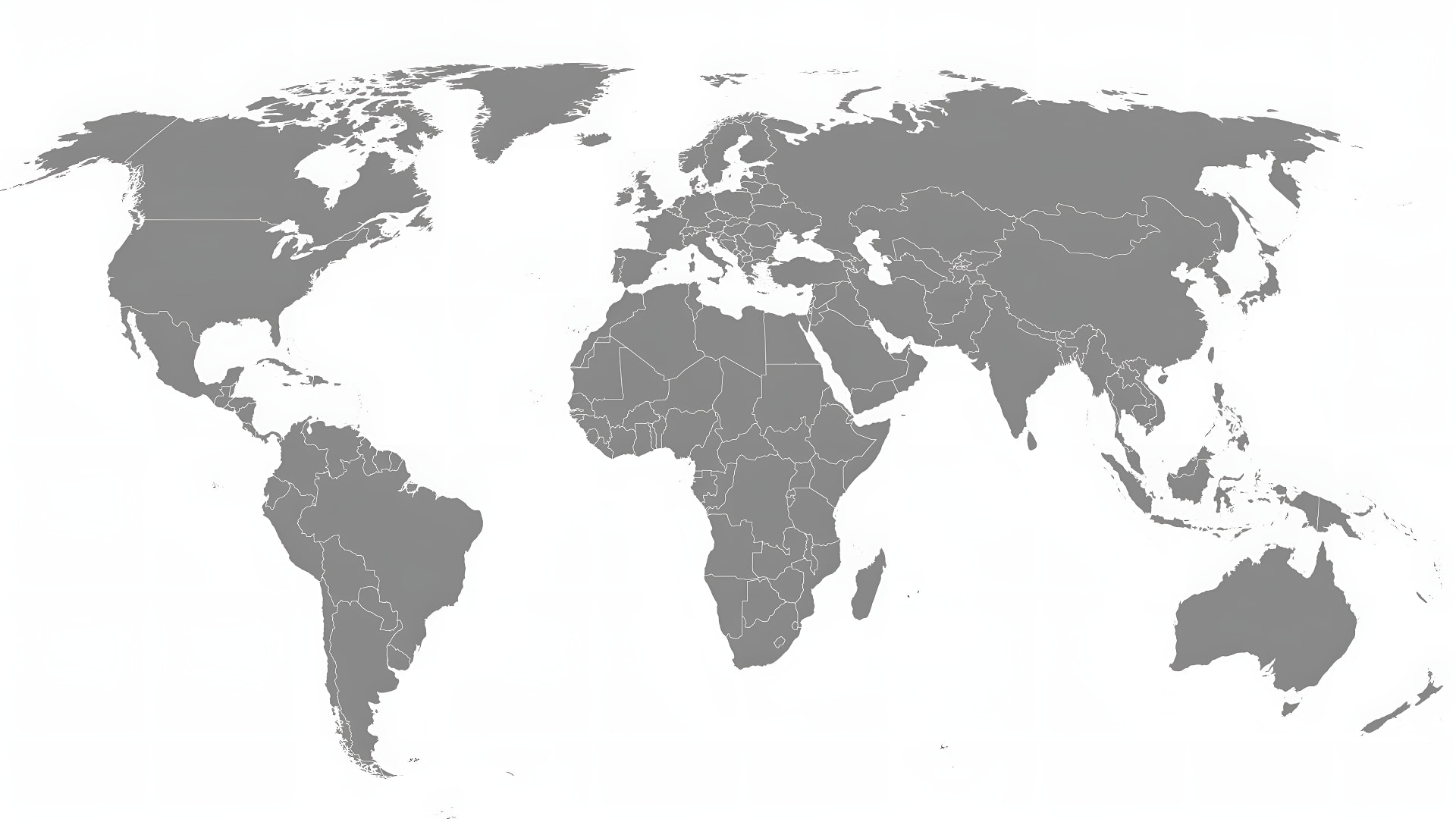
North America Time Zones
Explore North America
North America Overview
North America is the third-largest continent, stretching from the Arctic Circle to the tropical Caribbean. It includes Canada, the United States, Mexico, Central American nations, and Caribbean islands, representing diverse cultures and economies.
- Population
- 583M
- Countries
- 41
- Time Zones
- 105
- Area
- 24.51 million km²
Countries in North America
North America spans multiple time zones from UTC-10 (Hawaii) to UTC-3:30 (Newfoundland). The continent has complex DST rules that vary by region and country.






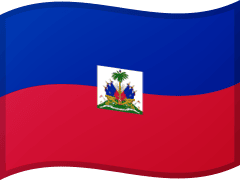
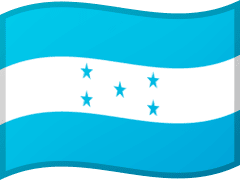
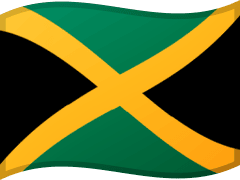
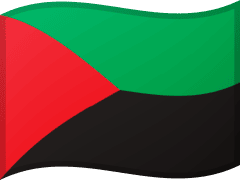



Key Facts About North America
Complex DST Rules
Daylight Saving Time rules vary significantly across North America. Arizona and parts of Canada do not observe DST.
Half-Hour Zone
Newfoundland, Canada uses UTC-3:30, one of the few half-hour time zones in the Americas.
Time Zone Boundaries
US time zone boundaries often follow state lines but can split states, creating local complexity.
Historic Changes
The US has changed DST rules multiple times, most recently in 2007 when the period was extended by several weeks.
Frequently Asked Questions
What are the main time zones in North America?
The main time zones are Pacific (UTC-8), Mountain (UTC-7), Central (UTC-6), Eastern (UTC-5), Atlantic (UTC-4), and Newfoundland (UTC-3:30).
Does all of North America observe DST?
No. Arizona (except Navajo Nation), Hawaii, and parts of Canada like Saskatchewan do not observe Daylight Saving Time.
When does DST start and end in North America?
In the US and Canada, DST begins on the second Sunday of March and ends on the first Sunday of November. Mexico follows different dates.