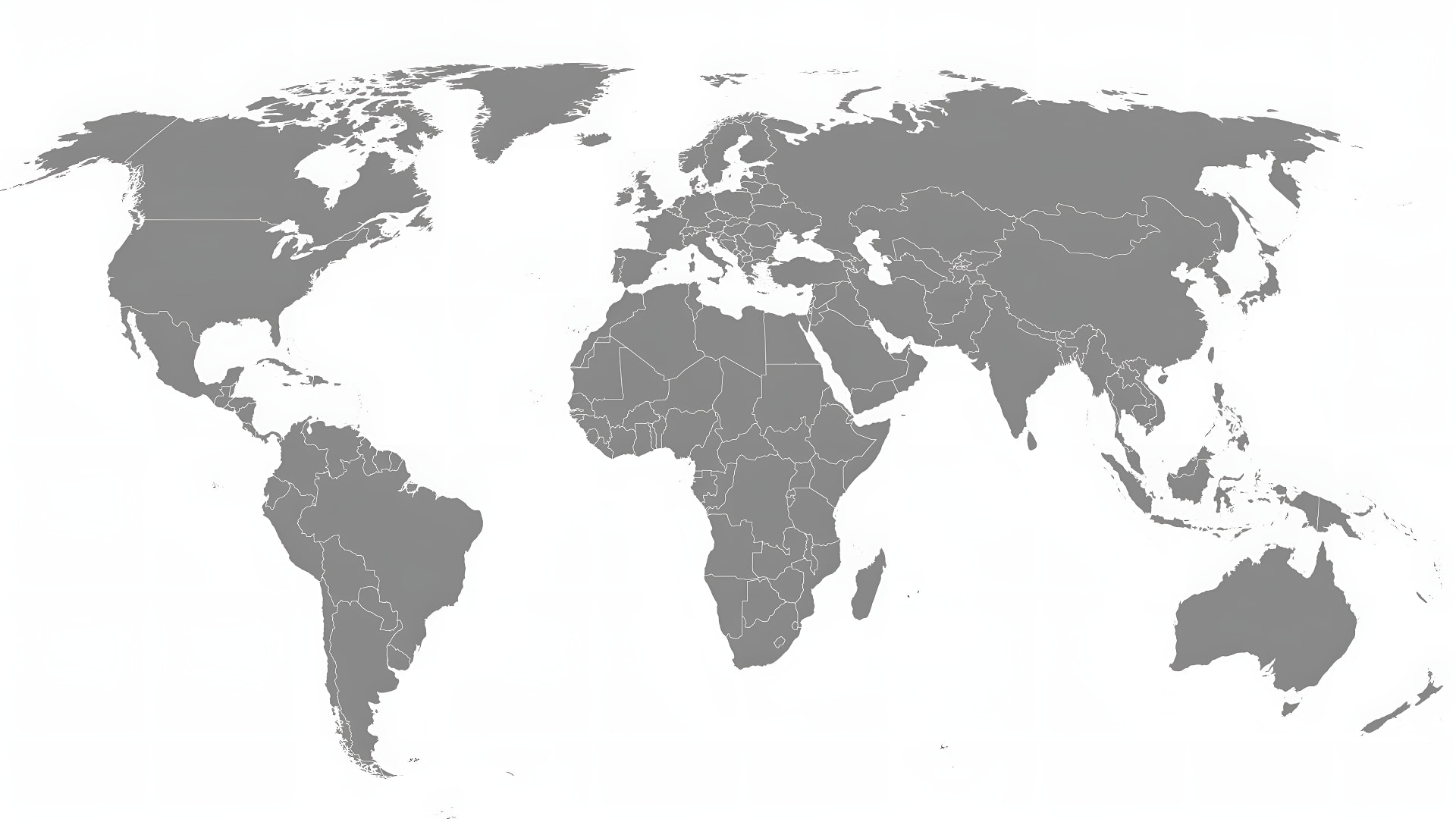
Capital Time Zone
Central Standard Time CST
What Time Is It in El Salvador Right Now?
Local time in San Salvador
Today's Date and Day in San Salvador (SV):
Current Date and Time Information
Date&TimeDetails
Time Zone (IANA)
Day of Year
Days to Year End
Week of Year
Month of Year
Months to Year End
Current Season
Next Season
Leap Year
Next Leap Year
Today's Date in Other Formats
Unix
ISO
EU
US
SQL
El Salvador Time Difference Tool - Convert Time Easily
Easily convert time zones between El Salvador and any city, country, or time zone in the world. Use this tool to check the current time difference and plan meetings, calls, or travel with confidence. Choose any location as the primary reference point to display the time difference.
Explore Professional Features01:04PM
🌍 Time Zone Converter Guide
Compare times across different zones and explore any moment in the day
Click the up arrow to make any timezone your reference point. All time differences will be calculated from this base.
Drag the grip icon to rearrange timezones in your preferred order. Base timezone cannot be dragged but others can be reordered.
Click the X button to delete a timezone from your comparison. Cannot remove if it's the only one left.
Use the slider below to explore different times. Drag to see how times change across all zones simultaneously.
View hour tiles showing the full 24-hour day. Use the time slider to navigate through different hours. Darker tiles indicate nighttime hours.
Switch between 12h/24h format and choose "Each" to set different formats per timezone or "All" to apply the same format to all zones.
💡 Pro tip: Add more timezones using the search above, then set one as your base to see all time differences at a glance!
Explore More Countries
 Saint HelenaUTC+00:00GMT
 SloveniaUTC+02:00CEST
 Svalbard and Jan MayenUTC+02:00CEST
 SlovakiaUTC+02:00CEST
 Sierra LeoneUTC+00:00GMT
 San MarinoUTC+02:00CEST
 SenegalUTC+00:00GMT
 SomaliaUTC+03:00EAT
 SurinameUTC-03:00SRT
 Sao Tome and PrincipeUTC+00:00GMT
 Sint MaartenUTC-04:00AST
 SyriaUTC+03:00EEST
 EswatiniUTC+02:00SAST
 Turks and Caicos IslandsUTC-04:00EDT
 ChadUTC+01:00WAT
 French Southern TerritoriesUTC+05:00TFT
 TogoUTC+00:00GMT
 ThailandUTC+07:00ICT
 TajikistanUTC+05:00TJT
 Timor LesteUTC+09:00TLT
Capital Time Difference - San Salvador vs Neighboring Capitals
| From | To | Time Difference |
|---|---|---|
Same time | ||
Same time |

Daylight Saving Time Changes in America/El_Salvador
Track historical and upcoming DST transitions for America/El_Salvador from 1900 to 2050. See when clocks spring forward or fall back and how the UTC offset changes.
Current Status in America/El_Salvador
Central Standard Time (CST)
UTC-6
Next Change
No scheduled changes
| Date | Time | Change Type | UTC Offset |
|---|---|---|---|
| No DST changes found for the selected time zone and year range | |||
El Salvador Time Zones & Neighboring Countries
| IANA Time Zone | Full Name | Abbr | UTC Offset | DST Offset |
|---|---|---|---|---|
America/El_Salvador CAPITAL | Central Standard Time | CST | -6 Hours | -6 Hours |
Neighboring Countries
| Country, Capital | IANA Time Zone | Full Name | Abbr | UTC Offset | DST Offset |
|---|---|---|---|---|---|
| America/Guatemala | Central Standard Time | CST | -6 Hours | -6 Hours | |
| America/Tegucigalpa | Central Standard Time | CST | -6 Hours | -6 Hours |
El Salvador Time Zone: Current Time, UTC Offset, and Travel Guide
Planning a call, a trip, or a video meeting with someone in El Salvador starts with one simple fact: the country runs on a single, unchanging clock all year long. There's no seasonal switch to track and no regional split to worry about, which makes El Salvador one of the more straightforward countries to schedule around — once you know the offset.
Current Local Time in El Salvador
The live clock above displays the current local time and today's date in El Salvador. Because the country stays on UTC-6 throughout the year, the number you see there never shifts for daylight saving — it reflects the same fixed offset in every season. Alongside the minute, the same tool typically shows today's day of the week, the current season, and how many days remain in the year — useful context if you're confirming the date as well as the hour.
UTC Offset
El Salvador sits at UTC-6 year-round. This offset is officially known as Central Standard Time (CST), and unlike many countries that use the "standard" label only part of the year, El Salvador keeps this exact offset in every month, every season, with no exceptions. In short: no, El Salvador does not observe daylight saving time — the UTC-6 figure is the only offset you'll ever need for this country.
Time Zone Identifier (IANA)
Software and calendar tools often need the formal identifier rather than the abbreviation. El Salvador's IANA time zone is America/El_Salvador, and since the country has only one zone, this single identifier covers the entire national territory — from the capital to the smallest coastal town.
One Time Zone for the Whole Country
Unlike larger nations that split into multiple zones, El Salvador's compact geography means every department, city, and border town shares the same clock. A meeting scheduled for 10:00 AM in San Salvador is 10:00 AM everywhere else in the country too — there's no need to double-check a regional map before booking a call.
Daylight Saving Time
Clocks here are never adjusted forward or back — no spring-forward, no fall-back, in any month. Any future changes to daylight saving rules depend on regional or national decisions, and no such change is currently in effect.
Why This UTC Offset
The UTC-6 offset reflects El Salvador's position within Central America's standard time band, aligning the country with the natural daylight hours of its longitude rather than with a daylight-shifted schedule. Because the offset was never designed to change seasonally, sunrise and sunset times simply drift gradually across the year instead of being corrected by clock changes.
Neighboring Countries Comparison
Guatemala and Honduras, the two countries bordering El Salvador, both keep the same Central Standard Time offset. This means cross-border scheduling within the region rarely requires any time-zone math.
Country | Capital | IANA Time Zone | UTC Offset | Observes DST |
|---|---|---|---|---|
El Salvador | America/El_Salvador | UTC-6 | No | |
America/Guatemala | UTC-6 | No | ||
America/Tegucigalpa | UTC-6 | No |
Time Difference with Other Regions
Travelers coming from Europe or parts of Asia will notice a large gap, while those coming from within the Americas usually find the adjustment much smaller. Because several major economies outside Central America do observe daylight saving time, the exact difference with cities in North America, Europe, or Oceania can shift by an hour depending on seasonal clock changes elsewhere — even though El Salvador's own clock never moves.
A quick reference against a few widely searched cities shows the typical range, since the exact gap depends on whether the other city is currently observing daylight saving time:
City | Typical Difference from El Salvador |
|---|---|
1–2 hrs ahead (usually, depending on seasonal clock changes) | |
6–7 hrs ahead (usually, depending on seasonal clock changes) | |
7–8 hrs ahead (usually, depending on seasonal clock changes) | |
1–2 hrs behind (usually, depending on seasonal clock changes) |
Common Time Confusion
A frequent mix-up comes from the abbreviation itself: El Salvador uses "CST" for Central Standard Time, which is also the label US Central Time uses for part of the year. The difference is that El Salvador's CST never changes, while the US version shifts to "CDT" during its own daylight saving period — so the same three letters can point to two different offsets depending on the season on the US side. When in doubt, checking the full IANA identifier (America/El_Salvador) rather than the abbreviation avoids the confusion entirely.
Best Time to Call
For calls within Central America, the shared UTC-6 offset with Guatemala and Honduras means ordinary business hours line up directly, with no adjustment needed. For calls further afield, see the overlap windows with Europe and the US under Business Hours below.
Travel Tips
Visitors arriving from North America should note that the time difference with the US East Coast typically runs one to two hours, again depending on whether the US side is currently observing daylight saving time. Domestic travel within El Salvador never requires a watch adjustment, since the entire country shares one offset.
Business Hours
Government offices typically operate Monday through Friday, generally morning to late afternoon, with reduced or no service on weekends. Banks follow a similar Monday–Friday schedule, often shorter on Saturdays and closed Sundays, though hours vary by branch. Private businesses generally mirror this same weekday pattern.
Because El Salvador's clock never shifts, the best overlap windows stay predictable:
With Europe: late morning in El Salvador typically lines up with mid-to-late afternoon across most of the continent.
With the US: overlap is closest with Central and Mountain time, where a standard El Salvador workday matches most of the local business day; East Coast callers get overlap in their late morning to early afternoon, West Coast callers in their late morning.
Airport Time and Flights
San Salvador's international airport, along with every other airport in the country, runs on the same single America/El_Salvador time — boarding passes, departure boards, and connecting-flight timings all use this one offset with no regional exceptions to account for. For exact departure, boarding, or connection times, always confirm schedules directly with the airline, since flight timings can change independently of the time zone itself.
FAQ
What time zone does El Salvador use?
El Salvador uses Central Standard Time (CST), which is UTC-6, applied uniformly across the entire country.
Does El Salvador have more than one time zone?
No. Every part of the country, from the capital to the coast, shares the single America/El_Salvador time zone.
Does El Salvador observe daylight saving time?
No, El Salvador does not observe DST. The UTC-6 offset stays the same throughout the year (does not observe DST).
How can I check the exact current time in El Salvador?
The most reliable way is a live clock or time-zone converter, since it reflects the precise minute rather than a static reference.
Is El Salvador the same time as its neighboring countries?
Yes, both Guatemala and Honduras share the same UTC-6 offset, so no conversion is needed when scheduling across these borders.
Why does the time difference with other countries sometimes change?
Because many other countries observe daylight saving time, the gap between their clocks and El Salvador's fixed offset can shift by an hour depending on seasonal clock changes elsewhere, even though El Salvador's own time never moves.
Is El Salvador on CST?
Yes, El Salvador uses Central Standard Time (CST) as its official and only time zone, year-round.
Is El Salvador UTC-6?
Yes, El Salvador's UTC offset is a fixed UTC-6, with no seasonal adjustment.
What is El Salvador's GMT offset?
El Salvador is GMT-6, which is the same value as its UTC-6 offset.
What is the current time in San Salvador?
San Salvador follows the same single national time zone as the rest of El Salvador, so its current time matches the country-wide clock — best confirmed with a live clock or converter for the exact minute.
What is the time difference between El Salvador and the USA?
It typically runs from zero to three hours depending on the specific US time zone and whether that region is currently observing daylight saving time — the West Coast sits closest to El Salvador's offset, while the East Coast runs further ahead.
What is the time difference between El Salvador and the UK?
The UK usually runs six to seven hours ahead of El Salvador, with the exact gap depending on whether the UK is currently observing its own seasonal clock change.