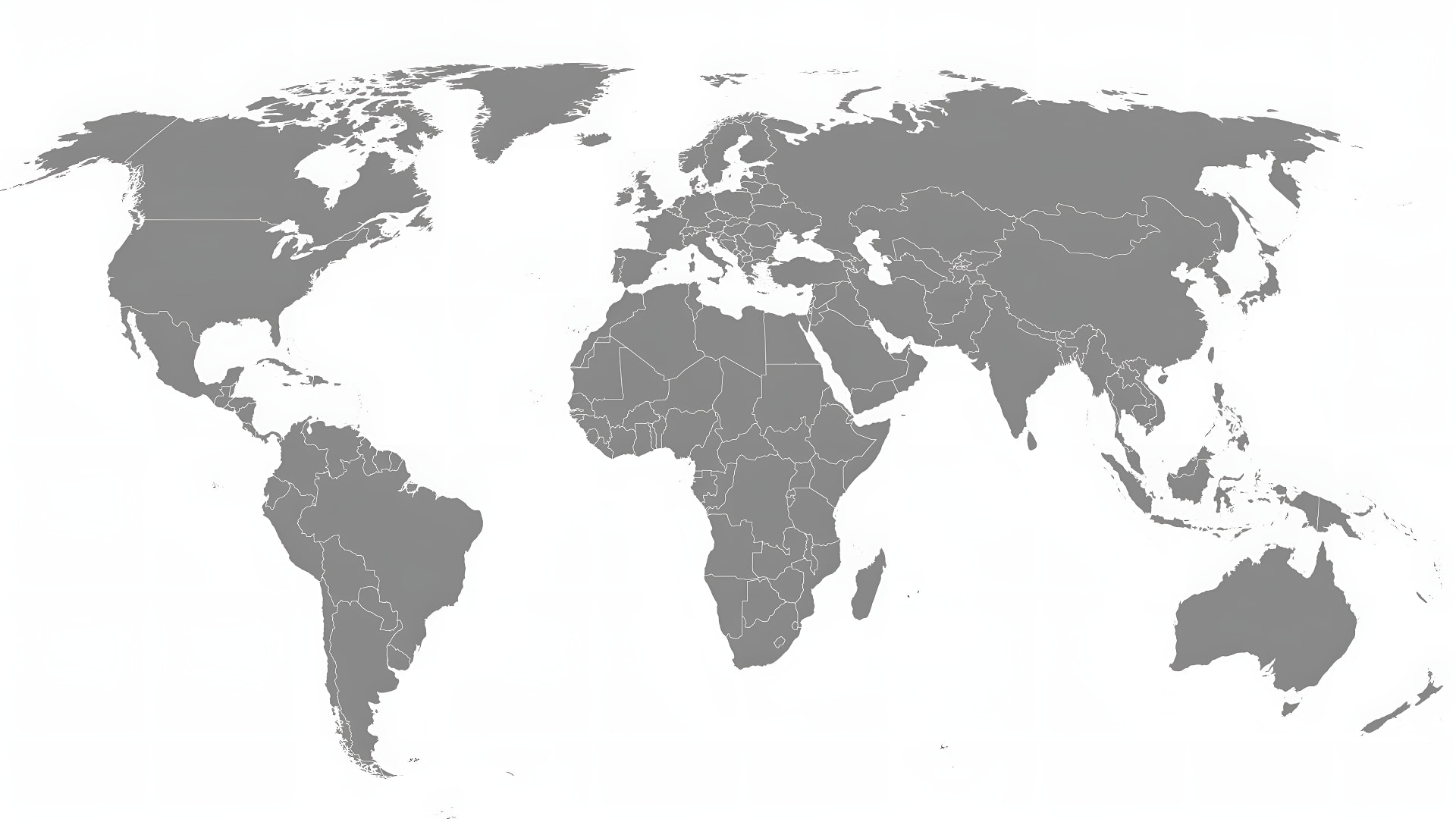
Capital Time Zone
Western Greenland Summer Time WGST
What Time Is It in Greenland Right Now?
Local time in Nuuk
Today's Date and Day in Nuuk (GL):
Current Date and Time Information
Date&TimeDetails
Time Zone (IANA)
Day of Year
Days to Year End
Week of Year
Month of Year
Months to Year End
Current Season
Next Season
Leap Year
Next Leap Year
Today's Date in Other Formats
Unix
ISO
EU
US
SQL
Greenland Time Difference Tool - Convert Time Easily
Easily convert time zones between Greenland and any city, country, or time zone in the world. Use this tool to check the current time difference and plan meetings, calls, or travel with confidence. Choose any location as the primary reference point to display the time difference.
Explore Professional Features04:38PM
🌍 Time Zone Converter Guide
Compare times across different zones and explore any moment in the day
Click the up arrow to make any timezone your reference point. All time differences will be calculated from this base.
Drag the grip icon to rearrange timezones in your preferred order. Base timezone cannot be dragged but others can be reordered.
Click the X button to delete a timezone from your comparison. Cannot remove if it's the only one left.
Use the slider below to explore different times. Drag to see how times change across all zones simultaneously.
View hour tiles showing the full 24-hour day. Use the time slider to navigate through different hours. Darker tiles indicate nighttime hours.
Switch between 12h/24h format and choose "Each" to set different formats per timezone or "All" to apply the same format to all zones.
💡 Pro tip: Add more timezones using the search above, then set one as your base to see all time differences at a glance!
Greenland - Country Information

The flag of Greenland
North AmericaCapital
Continent
ISO Code
Time Zone
IANA Timezone
Neighbors
Explore More Countries
 Faroe IslandsUTC+01:00WEST
 FranceUTC+02:00CEST
 GabonUTC+01:00WAT
 United KingdomUTC+01:00BST
 GrenadaUTC-04:00AST
 GeorgiaUTC+04:00GET
 French GuianaUTC-03:00GFT
 GuernseyUTC+01:00BST
 GhanaUTC+00:00GMT
 GibraltarUTC+02:00CEST
 GambiaUTC+00:00GMT
 GuineaUTC+00:00GMT
 GuadeloupeUTC-04:00AST
 Equatorial GuineaUTC+01:00WAT
 GreeceUTC+03:00EEST
 South Georgia and the South Sandwich IslandsUTC-02:00SGT
 GuatemalaUTC-06:00CST
 GuamUTC+10:00ChST
 Guinea-BissauUTC+00:00GMT
 GuyanaUTC-04:00GYT
Daylight Saving Time Changes in America/Nuuk
Track historical and upcoming DST transitions for America/Nuuk from 1900 to 2050. See when clocks spring forward or fall back and how the UTC offset changes.
Current Status in America/Nuuk
Western Greenland Summer Time (WGST)
UTC-1
Next Change
October 24, 2026
Clocks fall back to Western Greenland Time (WGT)
| Date | Time | Change Type | UTC Offset |
|---|---|---|---|
October 27, 2029 | 23:00 | DST End | UTC-2 |
March 25, 2029 | 00:00 | DST Start | UTC-1 |
October 28, 2028 | 23:00 | DST End | UTC-2 |
March 26, 2028 | 00:00 | DST Start | UTC-1 |
October 30, 2027 | 23:00 | DST End | UTC-2 |
March 28, 2027 | 00:00 | DST Start | UTC-1 |
October 24, 2026 | 23:00 | DST End | UTC-2 |
March 29, 2026 Historical | 00:00 | DST Start | UTC-1 |
October 25, 2025 Historical | 23:00 | DST End | UTC-2 |
March 30, 2025 Historical | 00:00 | DST Start | UTC-1 |
October 26, 2024 Historical | 23:00 | DST End | UTC-2 |
March 31, 2024 Historical | 00:00 | DST Start | UTC-1 |
Greenland Time Zones
| IANA Time Zone | Full Name | Abbr | UTC Offset | DST Offset |
|---|---|---|---|---|
America/Nuuk CAPITAL | Western Greenland Summer Time | WGST | -2 Hours | -1 Hours |
America/Danmarkshavn | Greenwich Mean Time | GMT | +0 Hours | +0 Hours |
America/Scoresbysund | Western Greenland Summer Time | WGST | -2 Hours | -1 Hours |
America/Thule | Atlantic Daylight Time | ADT | -4 Hours | -3 Hours |
Greenland Time Zone Guide: UTC−2 and a Change Timed by UTC
Two hours behind UTC, then one. Most of Greenland, including Nuuk, keeps UTC−2 through the winter half of the year and UTC−1 through the summer half. Subtract two hours from UTC in winter and one in summer, and the converter above runs the same sum against any city you name. A few outlying places keep different arrangements.
Winter clock: Western Greenland Time (WGT), UTC−2
Summer clock: Western Greenland Summer Time (WGST), UTC−1
Switch dates: The European ones, not the American ones
Switch moment: Pinned to UTC, so it lands on a Saturday evening locally in spring
Greenland Time Zone Quick Reference
Detail | Value |
|---|---|
Main IANA identifier | America/Nuuk |
Standard time | WGT, UTC−2 |
Summer time | WGST, UTC−1 |
Daylight saving time | Observed |
Summer time begins | Last Sunday of March, by UTC |
Summer time ends | Last Sunday of October, by UTC |
Areas outside this arrangement | Danmarkshavn, Ittoqqortoormiit, Pituffik |
Why the Clock Changes on a Saturday Evening
Timed by UTC, not by local hour. Almost everywhere changes its clocks at a set local hour - two or three in the morning, whatever the offset. Greenland pins both transitions to 01:00 UTC, the moment Europe changes, so the local time they land on depends on the offset in force: eleven in the evening on the Saturday in spring, midnight entering the Sunday in autumn. A Greenlander adjusts a clock on Saturday night while a Dane does it on Sunday morning, at precisely the same moment - which is why printed switch dates show a Saturday in some listings and a Sunday in others, both correct.
The Arrangements Across the Island
One covers almost everyone. The great majority of the population, from Nuuk and Sisimiut to Ilulissat and Qaqortoq, sits on UTC−2 and UTC−1 with the European dates. Three places sit outside it: the weather station at Danmarkshavn keeps UTC+0 with no seasonal change; Ittoqqortoormiit on the east coast is recorded separately in the time zone database; and the space base at Pituffik runs on the American schedule, moving about three weeks before the rest of the island in spring and a week after it in autumn.
Why the Main Offset Moved Closer to Europe
A zone change, not a seasonal one. In March 2023 most of Greenland moved from UTC−3 to UTC−2. The clocks went forward on the usual spring night, but permanently rather than seasonally, narrowing the gap to Copenhagen from four hours to three. Seasonal changes resumed from the new base the following year, so the summer offset became UTC−1 rather than the UTC−2 it had been. Anyone working from a figure remembered before that reform is an hour out in both seasons.
Time Difference From Major World Hubs
City | Greenland winter (WGT) | Greenland summer (WGST) |
|---|---|---|
3 hours ahead | 3 hours ahead | |
2 hours ahead | 2 hours ahead | |
2 hours ahead | 1 hour ahead | |
6 hours ahead | 5 hours ahead | |
Halifax | 2 hours behind | 2 hours behind |
3 hours behind | 3 hours behind | |
1 hour behind | 2 hours behind |
Which rows hold and which move. Copenhagen and London hold their gaps in both columns because they switch on the identical dates. Halifax and New York show the same figure in both columns too, though they switch about three weeks earlier in spring, so the gap differs for those few weeks. Reykjavík and Dubai hold permanent offsets, so each loses an hour of standing once Greenlandic summer time begins, while São Paulo falls an hour further behind for the same reason.
Business Hours Between Copenhagen and North America
Three hours each way. The working day sits three hours behind Copenhagen and three ahead of New York, almost exactly between the two: a Greenlandic morning reaches the Danish afternoon, a Greenlandic afternoon the American morning. The narrow windows are at the edges, with a Danish office closing around the middle of the local afternoon and North American counterparts appearing as the local day ends. Air and coastal services publish departures in the local time of each stop and thin out considerably outside the summer months, so a July connection may have no January equivalent. Always confirm schedules directly with the operator.
Frequently Asked Questions About Time in Greenland
Does Greenland use the American or the European switch dates?
The European ones, for almost the whole population. Only the space base in the north-west follows the American calendar.
Why do listings disagree about the switch day?
Because the change is pinned to an instant in UTC. Locally it falls on a Saturday evening in spring and just after midnight on the Sunday in autumn, so both days appear in print.
Which parts of Greenland keep a different clock?
Danmarkshavn on UTC+0 with no seasonal change, Ittoqqortoormiit on the east coast, and the space base at Pituffik on the American schedule.
Did the clocks change permanently in 2023?
The offset did. Most of Greenland moved from UTC−3 to UTC−2, and seasonal changes resumed from that new base the following year.
Does Nuuk keep the same time as Reykjavík?
No. Iceland holds UTC+0 all year, so it is two hours ahead of Nuuk in winter and one hour ahead in summer.
Do timetables here use the 24-hour clock?
Yes. Air and coastal schedules use 24-hour notation, so an evening departure reads 20:15. Dates run day first.