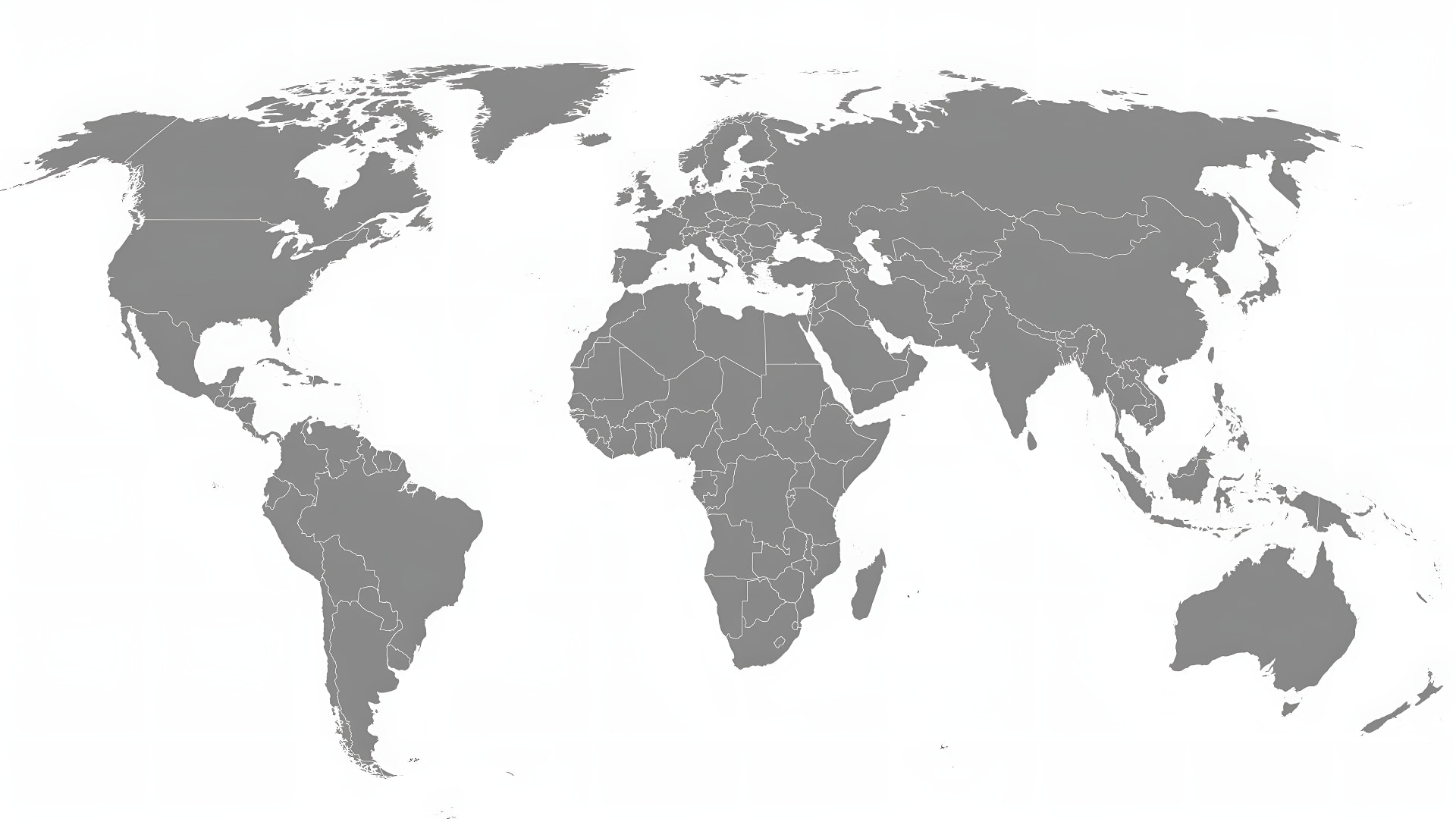
Capital Time Zone
Central European Summer Time CEST
What Time Is It in Serbia Right Now?
Local time in Belgrade
Today's Date and Day in Belgrade (RS):
Current Date and Time Information
Date&TimeDetails
Time Zone (IANA)
Day of Year
Days to Year End
Week of Year
Month of Year
Months to Year End
Current Season
Next Season
Leap Year
Next Leap Year
Today's Date in Other Formats
Unix
ISO
EU
US
SQL
Serbia Time Difference Tool - Convert Time Easily
Easily convert time zones between Serbia and any city, country, or time zone in the world. Use this tool to check the current time difference and plan meetings, calls, or travel with confidence. Choose any location as the primary reference point to display the time difference.
Explore Professional Features06:34PM
🌍 Time Zone Converter Guide
Compare times across different zones and explore any moment in the day
Click the up arrow to make any timezone your reference point. All time differences will be calculated from this base.
Drag the grip icon to rearrange timezones in your preferred order. Base timezone cannot be dragged but others can be reordered.
Click the X button to delete a timezone from your comparison. Cannot remove if it's the only one left.
Use the slider below to explore different times. Drag to see how times change across all zones simultaneously.
View hour tiles showing the full 24-hour day. Use the time slider to navigate through different hours. Darker tiles indicate nighttime hours.
Switch between 12h/24h format and choose "Each" to set different formats per timezone or "All" to apply the same format to all zones.
💡 Pro tip: Add more timezones using the search above, then set one as your base to see all time differences at a glance!
Serbia - Country Information
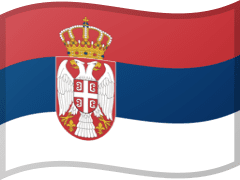
The flag of Serbia
EuropeCapital
Continent
ISO Code
Time Zone
IANA Timezone
Neighbors
Explore More Countries
 Saint Pierre and MiquelonUTC-02:00PMDT
 PitcairnUTC-08:00PST
 Puerto RicoUTC-04:00AST
 Palestinian TerritoryUTC+03:00EEST
 PortugalUTC+01:00WEST
 PalauUTC+09:00PWT
 ParaguayUTC-03:00PYT
 QatarUTC+03:00AST
 ReunionUTC+04:00RET
 RomaniaUTC+03:00EEST
 RussiaUTC+03:00MSK
 RwandaUTC+02:00CAT
 Saudi ArabiaUTC+03:00AST
 Solomon IslandsUTC+11:00SBT
 SeychellesUTC+04:00SCT
 SudanUTC+02:00CAT
 South SudanUTC+02:00CAT
 SwedenUTC+02:00CEST
 SingaporeUTC+08:00SGT
 Saint HelenaUTC+00:00GMT
Capital Time Difference - Belgrade vs Neighboring Capitals
| From | To | Time Difference |
|---|---|---|
Same time | ||
Same time | ||
+1h | ||
Same time | ||
Same time | ||
Same time | ||
Same time | ||
Same time | ||
+1h |




Daylight Saving Time Changes in Europe/Belgrade
Track historical and upcoming DST transitions for Europe/Belgrade from 1900 to 2050. See when clocks spring forward or fall back and how the UTC offset changes.
Current Status in Europe/Belgrade
Central European Summer Time (CEST)
UTC+2
Next Change
October 25, 2026
Clocks fall back to Central European Time (CET)
| Date | Time | Change Type | UTC Offset |
|---|---|---|---|
October 28, 2029 | 02:00 | DST End | UTC+1 |
March 25, 2029 | 03:00 | DST Start | UTC+2 |
October 29, 2028 | 02:00 | DST End | UTC+1 |
March 26, 2028 | 03:00 | DST Start | UTC+2 |
October 31, 2027 | 02:00 | DST End | UTC+1 |
March 28, 2027 | 03:00 | DST Start | UTC+2 |
October 25, 2026 | 02:00 | DST End | UTC+1 |
March 29, 2026 Historical | 03:00 | DST Start | UTC+2 |
October 26, 2025 Historical | 02:00 | DST End | UTC+1 |
March 30, 2025 Historical | 03:00 | DST Start | UTC+2 |
October 27, 2024 Historical | 02:00 | DST End | UTC+1 |
March 31, 2024 Historical | 03:00 | DST Start | UTC+2 |
Serbia Time Zones & Neighboring Countries
| IANA Time Zone | Full Name | Abbr | UTC Offset | DST Offset |
|---|---|---|---|---|
Europe/Belgrade CAPITAL | Central European Summer Time | CEST | +1 Hour | +2 Hours |
Neighboring Countries
| Country, Capital | IANA Time Zone | Full Name | Abbr | UTC Offset | DST Offset |
|---|---|---|---|---|---|
| Europe/Tirane | Central European Summer Time | CEST | +1 Hour | +2 Hours | |
| Europe/Sarajevo | Central European Summer Time | CEST | +1 Hour | +2 Hours | |
| Europe/Sofia | Eastern European Summer Time | EEST | +2 Hours | +3 Hours | |
| Europe/Zagreb | Central European Summer Time | CEST | +1 Hour | +2 Hours | |
| Europe/Budapest | Central European Summer Time | CEST | +1 Hour | +2 Hours | |
| Europe/Belgrade | Central European Summer Time | CEST | +1 Hour | +2 Hours | |
| Europe/Podgorica | Central European Summer Time | CEST | +1 Hour | +2 Hours | |
| Europe/Skopje | Central European Summer Time | CEST | +1 Hour | +2 Hours | |
| Europe/Bucharest | Eastern European Summer Time | EEST | +2 Hours | +3 Hours |
Serbia Time Zone: CET, CEST and the Hour That Divides a Dam
One offset, nine borders. Serbia keeps Central European Time at UTC+1 through the winter half of the year and Central European Summer Time at UTC+2 through the summer half. Add one hour to UTC in winter, two in summer, and the converter above runs the same sum against any city you name. Seven neighbours read identically; Romania and Bulgaria sit an hour ahead.
Winter clock: Central European Time (CET), UTC+1
Summer clock: Central European Summer Time (CEST), UTC+2
Switch pattern: Forward in spring, back in autumn
Regional exceptions: None
Serbia Time Zone Quick Reference
Detail | Value |
|---|---|
IANA identifier | Europe/Belgrade |
Standard time | CET, UTC+1 |
Summer time | CEST, UTC+2 |
Daylight saving time | Observed |
Summer time begins | Last Sunday of March |
Summer time ends | Last Sunday of October |
Zones in use | One |
Where the Time Difference Runs Through a Single Building
A machine hall on each bank. Downstream of Belgrade the Danube becomes the border with Romania, and the boundary between the central and eastern European clocks follows it. Astride that line sits the Iron Gate power station, opened in 1972 as one structure on two banks - a Serbian machine hall on this side, a Romanian one on the other, administered jointly. The two halves have never read the same hour: the same instant is written an hour later across the water, every day of the year, and since both states switch on the same two Sundays the gap is permanent rather than seasonal. Upstream the same river marks the Croatian frontier, where no such difference exists.
Why One UTC Offset Covers the Whole Country
Nothing devolved. Belgrade, Novi Sad, Niš, Kragujevac, Subotica and Zaječar read the same figure at the same instant, and no district or province has ever held authority over the clock. The country reaches far enough east that the sun comes up noticeably earlier at the Bulgarian frontier than on the Drina, but that has never produced a second offset and no one has proposed one.
Daylight Saving Time Dates Serbia Applies Without a Vote
Outside the union, inside its calendar. Not an EU member, Serbia sets the two switch dates by domestic rules that reproduce the European schedule deliberately - a country with nine land borders, seven onto states that change on those nights, gains nothing from its own calendar. Ending seasonal changes remains a legal possibility with no year attached: member states would name permanent offsets first, and Serbia would then decide whether to follow. Only a divergence from Hungary, Croatia or Romania would create a step where none exists today.
Local Time Against Major World Hubs
City | Serbian winter (CET) | Serbian summer (CEST) |
|---|---|---|
Same time | Same time | |
1 hour ahead | 1 hour ahead | |
1 hour behind | 1 hour behind | |
2 hours ahead | 1 hour ahead | |
4 hours ahead | 3 hours ahead | |
4 hours behind | 5 hours behind | |
6 hours behind | 6 hours behind |
Which rows hold and which move. Zagreb, Bucharest, London and New York keep their gaps in both columns because each switches on a schedule matched to this one - Bucharest an hour ahead in a different zone entirely, Zagreb at no difference at all. Kuwait City and Dushanbe hold permanent offsets, so their leads shrink by an hour once Serbian summer time begins. Brasília moves the other way and falls an hour further behind, keeping UTC−3 all year.
Business Hours Along the River Border
Seven directions free, two to check. A Belgrade working day overlaps Zagreb, Sarajevo, Podgorica, Skopje, Tirana, Budapest and Pristina completely, so most regional traffic needs no arithmetic. Romania and Bulgaria are the exceptions, an hour ahead every week of the year, which matters on the freight corridors to Bucharest and Sofia and on the Danube itself, where a vessel passing the locks moves between two clocks without leaving the water. Rail, coach and river schedules print the local time of each stop. Always confirm schedules directly with the operator.
Frequently Asked Questions About Time in Serbia
Does the clock change crossing into Romania or Bulgaria?
Yes, an hour forward, in both seasons. Both keep the eastern zone and switch on the same two Sundays, so the step never varies.
Does Serbia share a clock with Croatia and Bosnia?
Yes, in both seasons, along with Montenegro, North Macedonia, Albania, Hungary and Kosovo.
Do Orthodox holiday dates affect the time of day?
No. The church calendar moves which day a feast falls on and has no bearing on the offset or on the switch dates.
What do letnje and zimsko računanje vremena mean?
They are the summer and winter reckonings of time, the phrasing used in Serbian notices where English says summer time and standard time.
Do Serbian timetables use the 24-hour clock?
Yes. Rail, bus and airline schedules use 24-hour notation, so an evening departure reads 20:15. Dates run day first in both scripts.
Does the identifier Europe/Belgrade cover more than Serbia?
Yes. Several neighbouring capitals resolve to the same record, which is why software may display Belgrade for a location elsewhere in the region while showing the correct hour.