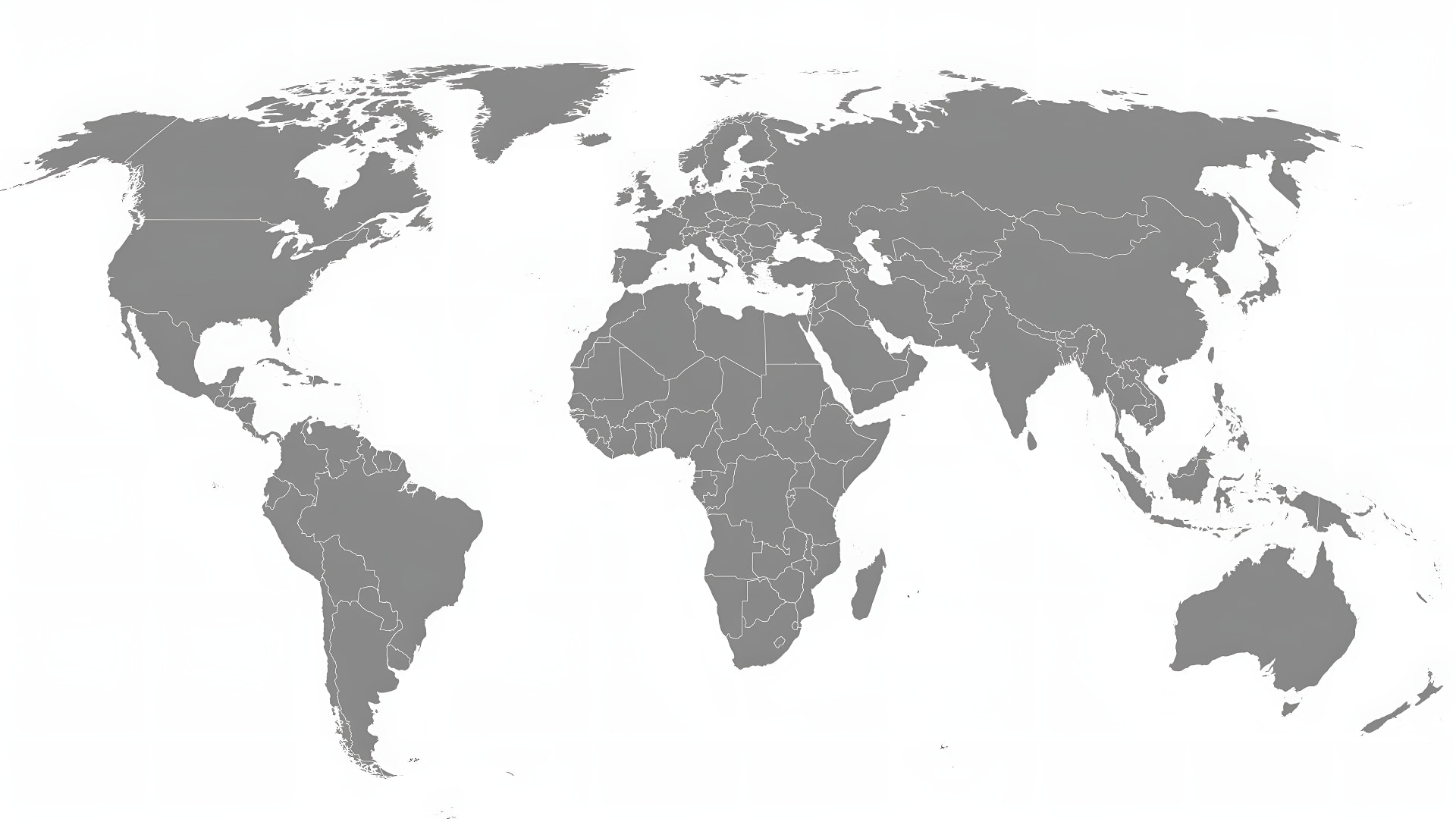
Capital Time Zone
Central European Summer Time CEST
What Time Is It in Hungary Right Now?
Local time in Budapest
Today's Date and Day in Budapest (HU):
Current Date and Time Information
Date&TimeDetails
Time Zone (IANA)
Day of Year
Days to Year End
Week of Year
Month of Year
Months to Year End
Current Season
Next Season
Leap Year
Next Leap Year
Today's Date in Other Formats
Unix
ISO
EU
US
SQL
Hungary Time Difference Tool - Convert Time Easily
Easily convert time zones between Hungary and any city, country, or time zone in the world. Use this tool to check the current time difference and plan meetings, calls, or travel with confidence. Choose any location as the primary reference point to display the time difference.
Explore Professional Features01:03PM
🌍 Time Zone Converter Guide
Compare times across different zones and explore any moment in the day
Click the up arrow to make any timezone your reference point. All time differences will be calculated from this base.
Drag the grip icon to rearrange timezones in your preferred order. Base timezone cannot be dragged but others can be reordered.
Click the X button to delete a timezone from your comparison. Cannot remove if it's the only one left.
Use the slider below to explore different times. Drag to see how times change across all zones simultaneously.
View hour tiles showing the full 24-hour day. Use the time slider to navigate through different hours. Darker tiles indicate nighttime hours.
Switch between 12h/24h format and choose "Each" to set different formats per timezone or "All" to apply the same format to all zones.
💡 Pro tip: Add more timezones using the search above, then set one as your base to see all time differences at a glance!

Explore More Countries
 GreeceUTC+03:00EEST
 South Georgia and the South Sandwich IslandsUTC-02:00SGT
 GuatemalaUTC-06:00CST
 GuamUTC+10:00ChST
 Guinea-BissauUTC+00:00GMT
 GuyanaUTC-04:00GYT
 Hong KongUTC+08:00HKT
 HondurasUTC-06:00CST
 CroatiaUTC+02:00CEST
 HaitiUTC-04:00EDT
 IndonesiaUTC+07:00WIB
 IrelandUTC+01:00IST
 IsraelUTC+03:00IDT
 Isle of ManUTC+01:00BST
 IndiaUTC+05:30IST
 IraqUTC+03:00AST
 IranUTC+03:30IRST
 IcelandUTC+00:00GMT
 ItalyUTC+02:00CEST
 JerseyUTC+01:00BST
Capital Time Difference - Budapest vs Neighboring Capitals
| From | To | Time Difference |
|---|---|---|
Same time | ||
Same time | ||
+1h | ||
Same time | ||
Same time | ||
Same time | ||
+1h |





Daylight Saving Time Changes in Europe/Budapest
Track historical and upcoming DST transitions for Europe/Budapest from 1900 to 2050. See when clocks spring forward or fall back and how the UTC offset changes.
Current Status in Europe/Budapest
Central European Summer Time (CEST)
UTC+2
Next Change
October 25, 2026
Clocks fall back to Central European Time (CET)
| Date | Time | Change Type | UTC Offset |
|---|---|---|---|
October 28, 2029 | 02:00 | DST End | UTC+1 |
March 25, 2029 | 03:00 | DST Start | UTC+2 |
October 29, 2028 | 02:00 | DST End | UTC+1 |
March 26, 2028 | 03:00 | DST Start | UTC+2 |
October 31, 2027 | 02:00 | DST End | UTC+1 |
March 28, 2027 | 03:00 | DST Start | UTC+2 |
October 25, 2026 | 02:00 | DST End | UTC+1 |
March 29, 2026 Historical | 03:00 | DST Start | UTC+2 |
October 26, 2025 Historical | 02:00 | DST End | UTC+1 |
March 30, 2025 Historical | 03:00 | DST Start | UTC+2 |
October 27, 2024 Historical | 02:00 | DST End | UTC+1 |
March 31, 2024 Historical | 03:00 | DST Start | UTC+2 |
Hungary Time Zones & Neighboring Countries
| IANA Time Zone | Full Name | Abbr | UTC Offset | DST Offset |
|---|---|---|---|---|
Europe/Budapest CAPITAL | Central European Summer Time | CEST | +1 Hour | +2 Hours |
Neighboring Countries
| Country, Capital | IANA Time Zone | Full Name | Abbr | UTC Offset | DST Offset |
|---|---|---|---|---|---|
| Europe/Vienna | Central European Summer Time | CEST | +1 Hour | +2 Hours | |
| Europe/Zagreb | Central European Summer Time | CEST | +1 Hour | +2 Hours | |
| Europe/Bucharest | Eastern European Summer Time | EEST | +2 Hours | +3 Hours | |
| Europe/Belgrade | Central European Summer Time | CEST | +1 Hour | +2 Hours | |
| Europe/Bratislava | Central European Summer Time | CEST | +1 Hour | +2 Hours | |
| Europe/Ljubljana | Central European Summer Time | CEST | +1 Hour | +2 Hours | |
| Europe/Kyiv | Eastern European Summer Time | EEST | +2 Hours | +3 Hours |
Hungary Time Zone: CET, CEST and a Date Read From the Top Down
One offset, seven borders. Hungary keeps Central European Time at UTC+1 through the winter half of the year and Central European Summer Time at UTC+2 through the summer half. Add one hour to UTC in winter, two in summer, and the converter above runs the same sum against any city you name. Five neighbours read identically; two sit an hour ahead.
Winter clock: Central European Time (CET), UTC+1
Summer clock: Central European Summer Time (CEST), UTC+2
Switch pattern: Forward in spring, back in autumn
Regional exceptions: None
Hungary Time Zone Quick Reference
Detail | Value |
|---|---|
IANA identifier | Europe/Budapest |
Standard time | CET, UTC+1 |
Summer time | CEST, UTC+2 |
Daylight saving time | Observed |
Summer time begins | Last Sunday of March |
Summer time ends | Last Sunday of October |
Zones in use | One |
How Local Time and the Date Are Written Here
Largest unit first. Most of Europe writes the date smallest unit first, day before month before year; Hungary is one of the few that does the opposite. The year leads, then the month, then the day, each element followed by a full stop - the same order the international standard later adopted for machines. Dates written that way sort chronologically on their own, with no conversion at any point. The convention is general, covering everything from invoices to court filings, so a date seen here is worth reading from the left rather than the right.
Why One UTC Offset Covers the Whole Country
Nothing devolved. Hungary is compact enough to cross in a few hours, and no county has ever held authority over the clock. Budapest, Debrecen, Szeged, Miskolc, Pécs and Győr read the same figure at the same instant, with no regional exception anywhere.
Daylight Saving Time Dates and the Two Eastern Borders
Fixed above the national level. EU law sets the two switch dates identically for every member state, so no Hungarian authority can move them. Five of the seven neighbours share the offset and the dates, so those crossings cost nothing in either season, while Romania and Ukraine keep the eastern zone an hour ahead and switch on the same nights - making that step a constant rather than a seasonal surprise. Ending seasonal changes remains a legal possibility with no year attached: each state would name its own permanent offset, and nothing is fixed.
Time Difference From Major World Hubs
City | Hungarian winter (CET) | Hungarian summer (CEST) |
|---|---|---|
Same time | Same time | |
1 hour ahead | 1 hour ahead | |
1 hour behind | 1 hour behind | |
3 hours ahead | 2 hours ahead | |
4 hours ahead | 3 hours ahead | |
7 hours behind | 8 hours behind | |
6 hours behind | 6 hours behind |
Which rows hold and which move. Vienna, Bucharest, London and New York keep their gaps in both columns because each switches on a schedule matched to this one - Bucharest an hour ahead in a different zone entirely, Vienna at no difference at all. Yerevan and Astana hold permanent offsets, so their leads shrink by an hour once Hungarian summer time begins. Mexico City moves the other way and falls an hour further behind, having abandoned seasonal changes of its own.
Business Hours Across Seven Frontiers
Five free, two fixed. A Budapest working day overlaps Vienna, Bratislava, Zagreb, Ljubljana and Belgrade completely, so most regional trade needs no arithmetic. The Romanian and Ukrainian sides run an hour ahead every week of the year, so an early meeting there lands before the Hungarian office opens and a late one ends as the Hungarian day does. Rail and coach services publish departures in the local time of each stop, so a printed arrival across either eastern frontier is already an hour above the departure figure. Always confirm schedules directly with the operator.
Frequently Asked Questions About Time in Hungary
Does the clock change crossing into Ukraine or Romania?
Yes, an hour forward, in both seasons. Both countries keep the eastern zone and switch on the same two Sundays, so the step never varies.
Why is a spoken Hungarian time easy to misread by an hour?
Because quarter, half and three-quarters are counted towards the hour ahead rather than back from the one just past, so half of eight means seven thirty. Written figures avoid the ambiguity entirely.
What do nyári időszámítás and téli időszámítás mean?
They are the summer and winter reckonings of time, the phrasing used in official notices where English says summer time and standard time.
Do Hungarian timetables use the 24-hour clock?
Yes in writing - rail, bus and airline schedules use 24-hour notation, so an evening departure reads 20:15 - while speech often keeps the 12-hour form with a word for the part of the day attached.
Which day starts the Hungarian week?
Monday, as in the international standard, which matters for week numbers in business scheduling and school calendars.
Is Hungary on the same clock as Poland and Germany?
Yes, in both seasons, along with Austria, Slovakia, Croatia, Slovenia and Serbia.