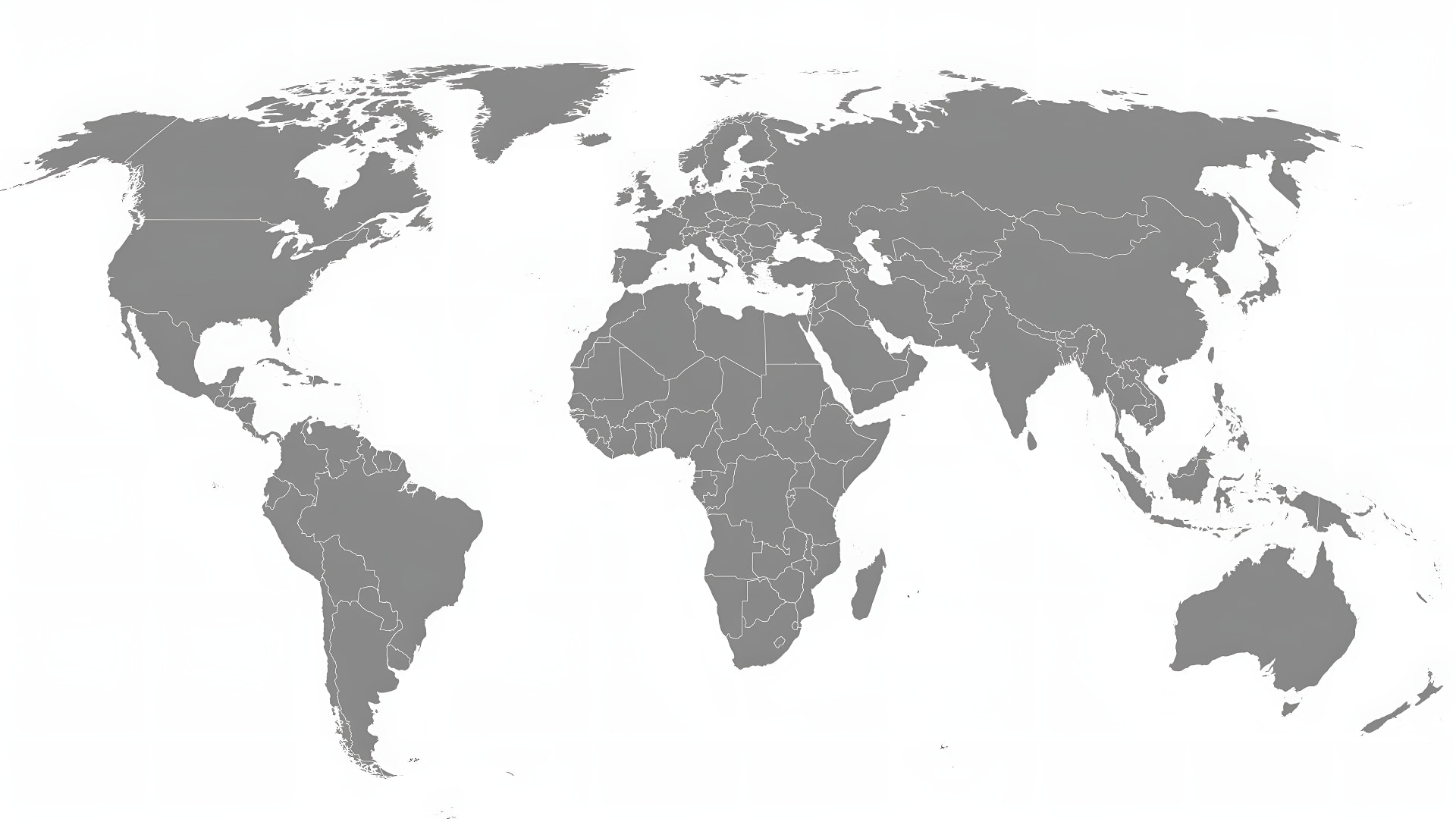
Capital Time Zone
Moscow Standard Time MSK
What Time Is It in Belarus Right Now?
Local time in Minsk
Today's Date and Day in Minsk (BY):
Current Date and Time Information
Date&TimeDetails
Time Zone (IANA)
Day of Year
Days to Year End
Week of Year
Month of Year
Months to Year End
Current Season
Next Season
Leap Year
Next Leap Year
Today's Date in Other Formats
Unix
ISO
EU
US
SQL
Belarus Time Difference Tool - Convert Time Easily
Easily convert time zones between Belarus and any city, country, or time zone in the world. Use this tool to check the current time difference and plan meetings, calls, or travel with confidence. Choose any location as the primary reference point to display the time difference.
Explore Professional Features01:50PM
🌍 Time Zone Converter Guide
Compare times across different zones and explore any moment in the day
Click the up arrow to make any timezone your reference point. All time differences will be calculated from this base.
Drag the grip icon to rearrange timezones in your preferred order. Base timezone cannot be dragged but others can be reordered.
Click the X button to delete a timezone from your comparison. Cannot remove if it's the only one left.
Use the slider below to explore different times. Drag to see how times change across all zones simultaneously.
View hour tiles showing the full 24-hour day. Use the time slider to navigate through different hours. Darker tiles indicate nighttime hours.
Switch between 12h/24h format and choose "Each" to set different formats per timezone or "All" to apply the same format to all zones.
💡 Pro tip: Add more timezones using the search above, then set one as your base to see all time differences at a glance!
Explore More Countries
 BeninUTC+01:00WAT
 Saint BarthelemyUTC-04:00AST
 BermudaUTC-03:00ADT
 BruneiUTC+08:00BNT
 BoliviaUTC-04:00BOT
 Bonaire, Saint Eustatius and Saba UTC-04:00AST
 BrazilUTC-03:00BRT
 BahamasUTC-04:00EDT
 BhutanUTC+06:00BTT
 BotswanaUTC+02:00CAT
 BelizeUTC-06:00CST
 CanadaUTC-04:00EDT
 Cocos IslandsUTC+06:30CCT
 Democratic Republic of the CongoUTC+01:00WAT
 Central African RepublicUTC+01:00WAT
 Republic of the CongoUTC+01:00WAT
 SwitzerlandUTC+02:00CEST
 Ivory CoastUTC+00:00GMT
 Cook IslandsUTC-10:00CKT
 ChileUTC-03:00CLST


Daylight Saving Time Changes in Europe/Minsk
Track historical and upcoming DST transitions for Europe/Minsk from 1900 to 2050. See when clocks spring forward or fall back and how the UTC offset changes.
Current Status in Europe/Minsk
Moscow Standard Time (MSK)
UTC+3
Next Change
No scheduled changes
| Date | Time | Change Type | UTC Offset |
|---|---|---|---|
| No DST changes found for the selected time zone and year range | |||
Belarus Time Zones & Neighboring Countries
| IANA Time Zone | Full Name | Abbr | UTC Offset | DST Offset |
|---|---|---|---|---|
Europe/Minsk CAPITAL | Moscow Standard Time | MSK | +3 Hours | +3 Hours |
Neighboring Countries
| Country, Capital | IANA Time Zone | Full Name | Abbr | UTC Offset | DST Offset |
|---|---|---|---|---|---|
| Europe/Riga | Eastern European Summer Time | EEST | +2 Hours | +3 Hours | |
| Europe/Vilnius | Eastern European Summer Time | EEST | +2 Hours | +3 Hours | |
| Europe/Warsaw | Central European Summer Time | CEST | +1 Hour | +2 Hours | |
| Europe/Moscow | Moscow Standard Time | MSK | +3 Hours | +3 Hours | |
| Europe/Kyiv | Eastern European Summer Time | EEST | +2 Hours | +3 Hours |
Belarus Time Zone: Permanent UTC+3 and a Clock Well Ahead of the Sun
One number, all year. Belarus keeps UTC+3 in every month, with no summer time and no seasonal switch, so the offset in January is the same as in July. Add three hours to UTC and the reading is local time in Minsk; the converter above does the same against any city you name. The zone is reported with the Moscow abbreviation, MSK, rather than a label of its own.
Offset: UTC+3, unchanging
Seasonal change: None since the reform
Regional variation: None across the six regions
Neighbours on the same offset: Russia only
Belarus Time Zone Quick Reference
Detail | Value |
|---|---|
IANA identifier | Europe/Minsk |
Offset all year | UTC+3 |
Abbreviation | MSK |
Daylight saving time | Not observed |
Clock changes | None scheduled |
Zones in use | One |
Why Local Time in Belarus Never Changes
Fixed, not abolished. Belarus once moved its clocks twice a year like its neighbours. In 2011 the seasonal change was dropped and the higher of the two offsets kept permanently, so the country now sits at UTC+3 in every season rather than falling back each autumn. The EU rules setting the March and October dates across the border do not apply here, and nothing currently in force produces a switch. One offset covers Minsk, Brest, Vitebsk, Homyel, Hrodna and Mahilyow alike.
The Winter Cost of a Permanent UTC Offset
Seventy minutes out west. The UTC+3 zone is built on a meridian far east of Belarus, so the clock runs well ahead of the sun every month - about seventy minutes in Minsk, closer to eighty-five in Brest. In summer that is barely noticeable and largely welcome. In the darkest weeks it defines the day: solar noon in the capital falls after one in the afternoon, and the sun is barely up before the working day begins and gone well before it ends. A country observing no summer time is effectively on summer time permanently, and December is where the bill arrives.
Time Difference From Neighbours and World Hubs
City | Northern winter | Northern summer |
|---|---|---|
Same time | Same time | |
1 hour ahead | 1 hour ahead | |
1 hour behind | Same time | |
1 hour behind | Same time | |
2 hours behind | 1 hour behind | |
3 hours behind | 2 hours behind | |
8 hours behind | 7 hours behind |
Which rows hold and which narrow. Moscow and Dubai are steady in both columns because each holds a fixed offset, exactly as Belarus does - Moscow at no difference, Dubai an hour ahead. The five remaining rows all narrow by an hour in summer, and the mechanism is identical in each case: those cities run seasonal clocks and move forward, while the Belarusian figure stays at UTC+3 throughout.
Clock Changes That Happen on the Other Side
Two hours in winter, one in summer. The western frontier is where that asymmetry bites. Poland runs on central European time, so a crossing at Terespol or Brest costs two hours in the standard-time months and one after the European spring switch - the same border, two different jumps by date. Lithuania, Latvia and Ukraine sit an hour behind in winter and level in summer, and only the Russian border never moves. Crossing overland from the union side, check the season rather than a remembered figure, which was probably right in the other half of the year.
Business Hours With a Fixed Offset
Let the other side do the arithmetic. A recurring meeting set in local time here stays where it was put, while the same slot drifts by an hour twice a year for participants in Warsaw, Vilnius, Riga or Kyiv - which makes Belarus a useful reference point for anything spanning the border: fix the hour here and let the correction happen elsewhere. Rail and coach services across the western crossings print departures in the local time of each end, so a journey looks shorter westbound than it is and longer coming back. Always confirm schedules directly with the operator.
Frequently Asked Questions About Time in Belarus
Why does the zone show the Moscow abbreviation rather than a Belarusian one?
Because the two share an identical offset and the database reports the established label for it. A separate abbreviation existed briefly after the reform and was later retired, so MSK or a plain numeric offset is what most systems display.
Are there multiple time zones inside the country?
No. Every region reads the same figure at the same instant, from the Polish border in the west to the Russian border in the east.
Do Belarusian timetables use the 24-hour clock?
Yes. Rail, bus and airline schedules use 24-hour notation, so an evening departure reads 20:15. Dates run day first.
Is the country ever on the same clock as Lithuania or Ukraine?
Yes, through their summer months. Once they return to standard time in autumn, Belarus is an hour ahead of both again.
Does the absence of summer time affect when people start work?
Not the clock, but the daylight around it. Winter mornings begin in the dark for most of the country, which is the practical trade-off for keeping a single offset all year.
Would rejoining a seasonal schedule be possible?
It would require a new domestic decision. Nothing in force now would move the clock, and the EU instrument governing the dates across the western border has no effect here.