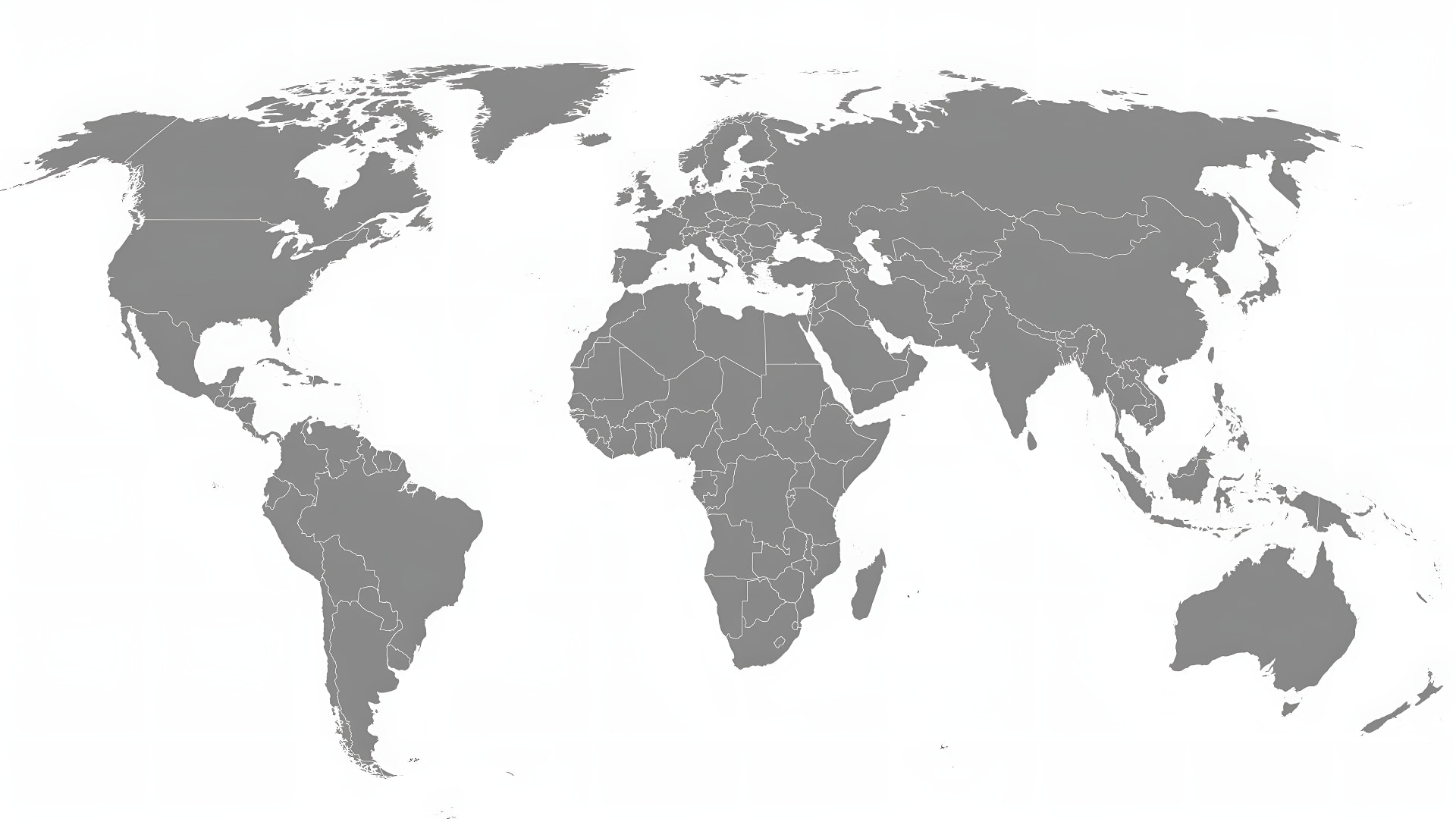
Capital Time Zone
Central European Summer Time CEST
What Time Is It in Germany Right Now?
Local time in Berlin
Today's Date and Day in Berlin (DE):
Current Date and Time Information
Date&TimeDetails
Time Zone (IANA)
Day of Year
Days to Year End
Week of Year
Month of Year
Months to Year End
Current Season
Next Season
Leap Year
Next Leap Year
Today's Date in Other Formats
Unix
ISO
EU
US
SQL
Germany Time Difference Tool - Convert Time Easily
Easily convert time zones between Germany and any city, country, or time zone in the world. Use this tool to check the current time difference and plan meetings, calls, or travel with confidence. Choose any location as the primary reference point to display the time difference.
Explore Professional Features05:32PM
🌍 Time Zone Converter Guide
Compare times across different zones and explore any moment in the day
Click the up arrow to make any timezone your reference point. All time differences will be calculated from this base.
Drag the grip icon to rearrange timezones in your preferred order. Base timezone cannot be dragged but others can be reordered.
Click the X button to delete a timezone from your comparison. Cannot remove if it's the only one left.
Use the slider below to explore different times. Drag to see how times change across all zones simultaneously.
View hour tiles showing the full 24-hour day. Use the time slider to navigate through different hours. Darker tiles indicate nighttime hours.
Switch between 12h/24h format and choose "Each" to set different formats per timezone or "All" to apply the same format to all zones.
💡 Pro tip: Add more timezones using the search above, then set one as your base to see all time differences at a glance!
Germany - Country Information

The flag of Germany
EuropeCapital
Continent
ISO Code
Time Zone
IANA Timezone
Neighbors
Explore More Countries
 CameroonUTC+01:00WAT
 ChinaUTC+08:00CST
 ColombiaUTC-05:00COT
 Costa RicaUTC-06:00CST
 CubaUTC-04:00CDT
 Cabo VerdeUTC-01:00CVT
 CuracaoUTC-04:00AST
 Christmas IslandUTC+07:00CXT
 CyprusUTC+03:00EEST
 CzechiaUTC+02:00CEST
 DjiboutiUTC+03:00EAT
 DenmarkUTC+02:00CEST
 DominicaUTC-04:00AST
 Dominican RepublicUTC-04:00AST
 AlgeriaUTC+01:00CET
 EcuadorUTC-05:00ECT
 EstoniaUTC+03:00EEST
 EgyptUTC+03:00EEST
 Western SaharaUTC+00:00WAT
 EritreaUTC+03:00EAT
15 Largest Cities in Germany
Explore the most populous cities in Germany
Capital Time Difference - Berlin vs Neighboring Capitals
| From | To | Time Difference |
|---|---|---|
Same time | ||
Same time | ||
Same time | ||
Same time | ||
Same time | ||
Same time | ||
Same time | ||
Same time | ||
Same time |







Daylight Saving Time Changes in Europe/Berlin
Track historical and upcoming DST transitions for Europe/Berlin from 1900 to 2050. See when clocks spring forward or fall back and how the UTC offset changes.
Current Status in Europe/Berlin
Central European Summer Time (CEST)
UTC+2
Next Change
October 25, 2026
Clocks fall back to Central European Time (CET)
| Date | Time | Change Type | UTC Offset |
|---|---|---|---|
October 28, 2029 | 02:00 | DST End | UTC+1 |
March 25, 2029 | 03:00 | DST Start | UTC+2 |
October 29, 2028 | 02:00 | DST End | UTC+1 |
March 26, 2028 | 03:00 | DST Start | UTC+2 |
October 31, 2027 | 02:00 | DST End | UTC+1 |
March 28, 2027 | 03:00 | DST Start | UTC+2 |
October 25, 2026 | 02:00 | DST End | UTC+1 |
March 29, 2026 Historical | 03:00 | DST Start | UTC+2 |
October 26, 2025 Historical | 02:00 | DST End | UTC+1 |
March 30, 2025 Historical | 03:00 | DST Start | UTC+2 |
October 27, 2024 Historical | 02:00 | DST End | UTC+1 |
March 31, 2024 Historical | 03:00 | DST Start | UTC+2 |
Germany Time Zones & Neighboring Countries
| IANA Time Zone | Full Name | Abbr | UTC Offset | DST Offset |
|---|---|---|---|---|
Europe/Berlin CAPITAL | Central European Summer Time | CEST | +1 Hour | +2 Hours |
Europe/Busingen | Central European Summer Time | CEST | +1 Hour | +2 Hours |
Neighboring Countries
| Country, Capital | IANA Time Zone | Full Name | Abbr | UTC Offset | DST Offset |
|---|---|---|---|---|---|
| Europe/Vienna | Central European Summer Time | CEST | +1 Hour | +2 Hours | |
| Europe/Brussels | Central European Summer Time | CEST | +1 Hour | +2 Hours | |
| Europe/Prague | Central European Summer Time | CEST | +1 Hour | +2 Hours | |
| Europe/Copenhagen | Central European Summer Time | CEST | +1 Hour | +2 Hours | |
| Europe/Paris | Central European Summer Time | CEST | +1 Hour | +2 Hours | |
| Europe/Luxembourg | Central European Summer Time | CEST | +1 Hour | +2 Hours | |
| Europe/Warsaw | Central European Summer Time | CEST | +1 Hour | +2 Hours | |
| Europe/Zurich | Central European Summer Time | CEST | +1 Hour | +2 Hours | |
| Europe/Amsterdam | Central European Summer Time | CEST | +1 Hour | +2 Hours |
Germany Time Zone: CET, CEST and the Berlin Clock
Two identifiers, one clock. Germany runs on Central European Time at UTC+1 through the winter half of the year and Central European Summer Time at UTC+2 through the summer half. Add one hour to UTC in winter, two in summer; from London add one hour in either season. The converter above does the same sum for any city you pick.
Zone names: Central European Time (CET) and Central European Summer Time (CEST)
Seasonal shift: One hour forward in spring, one hour back in autumn
Offsets in use: One, from the Danish border to the Alps
Who sets the dates: EU legislation, identical in every member state
Germany Time Zone Quick Reference
Detail | Value |
|---|---|
Primary IANA identifier | Europe/Berlin |
Second identifier | Europe/Busingen |
Standard time | CET, UTC+1 |
Summer time | CEST, UTC+2 |
Daylight saving time | Observed |
Summer time begins | Last Sunday of March |
Summer time ends | Last Sunday of October |
Distinct offsets | One |
Why Two IANA Identifiers Share One UTC Offset
Büsingen explains it. Büsingen am Hochrhein is a German municipality wholly surrounded by Swiss territory. In 1980 West Germany restored summer time before Switzerland adopted it, and the exclave followed its surroundings, leaving one German village an hour behind the country for a season. The database keeps that season as Europe/Busingen. Readings have been identical ever since, so no traveller sees a difference, but software listing German zones still returns both.
Daylight Saving Time Dates and Who Decides Them
Split responsibility. EU law fixes the two switch dates for every member state, so no federal ministry can move them for Germany alone. Decided nationally is the time itself: the Physikalisch-Technische Bundesanstalt in Braunschweig realises legal time and the DCF77 longwave transmitter broadcasts it, silently correcting radio-controlled clocks across Germany and beyond. A repeal stays open - the mechanism exists in EU law, the permanent offset would be each state's choice, and no date is set.
How Local Time Compares With Nine Neighbours
Nine borders, none of them temporal. Germany touches more countries than any other EU member, and Austria, Belgium, Czechia, Denmark, France, Luxembourg, the Netherlands, Poland and Switzerland all hold the same offset pair and switch on the same two Sundays, making this the widest zero-difference perimeter in Europe. Longitude differs inside it: the meridian CET is built on crosses Görlitz on the Polish border, so in standard time that city keeps roughly true solar time while Aachen in the west sits about forty minutes ahead of its own sun. Summer time adds an hour to both figures.
Time Difference From Major World Hubs
City | German winter (CET) | German summer (CEST) |
|---|---|---|
1 hour behind | 1 hour behind | |
2 hours ahead | 1 hour ahead | |
3 hours ahead | 2 hours ahead | |
4.5 hours ahead | 3.5 hours ahead | |
7 hours ahead | 6 hours ahead | |
6 hours behind | 6 hours behind | |
4 hours behind | 5 hours behind |
Two directions of drift. London holds at one hour in both columns, switching on the same Sundays. Moscow, Dubai, New Delhi and Singapore keep fixed offsets, so their lead narrows once German summer time starts, while São Paulo falls further behind for the same reason. New York holds six hours most of the year but sits at five for the few weeks in spring and autumn when the two continents are out of step.
What Travellers Should Know About Summer Time
Arrivals are local. Airlines, Deutsche Bahn and coach operators print times in the local clock of each stop, so an overnight service crossing the spring switch runs shorter in real hours than its printed duration and longer in autumn. All nine neighbours change the same night, so a train from Vienna, Prague or Amsterdam gains or loses exactly what a domestic one does. Always confirm schedules directly with the operator.
Frequently Asked Questions About Time in Germany
What do MEZ and MESZ mean on German documents?
They are the German abbreviations for the two zones, standing for Mitteleuropäische Zeit and Mitteleuropäische Sommerzeit. Official notices, court deadlines and broadcast schedules often use these rather than CET and CEST, and they refer to exactly the same offsets.
Is Winterzeit the official name for standard time?
No. Everyday German calls it Winterzeit, but the legal term is Normalzeit. Sommerzeit, by contrast, is the formal name for the summer period.
Why do German business emails refer to KW instead of dates?
Kalenderwoche, the ISO week number, is standard in German scheduling, so a delivery may be promised for a week number rather than a date. Weeks begin on Monday, which shifts the numbering against systems that start the week on Sunday.
Did East and West Germany keep different clocks?
No. Both states held Central European Time throughout the division, and the reintroduction of summer time was coordinated across the inner border, so a call through the Wall never crossed a time boundary.
Are the North Sea and Baltic islands on a separate clock?
No. Sylt, Rügen, Helgoland and every other German island read the same as the mainland, despite Helgoland lying far out in the North Sea.
Do German timetables ever quote UTC?
Passenger-facing schedules do not; they use local time throughout. Aviation and shipping documentation works in UTC internally, which is why a flight plan and a boarding pass can show different figures for the same departure.