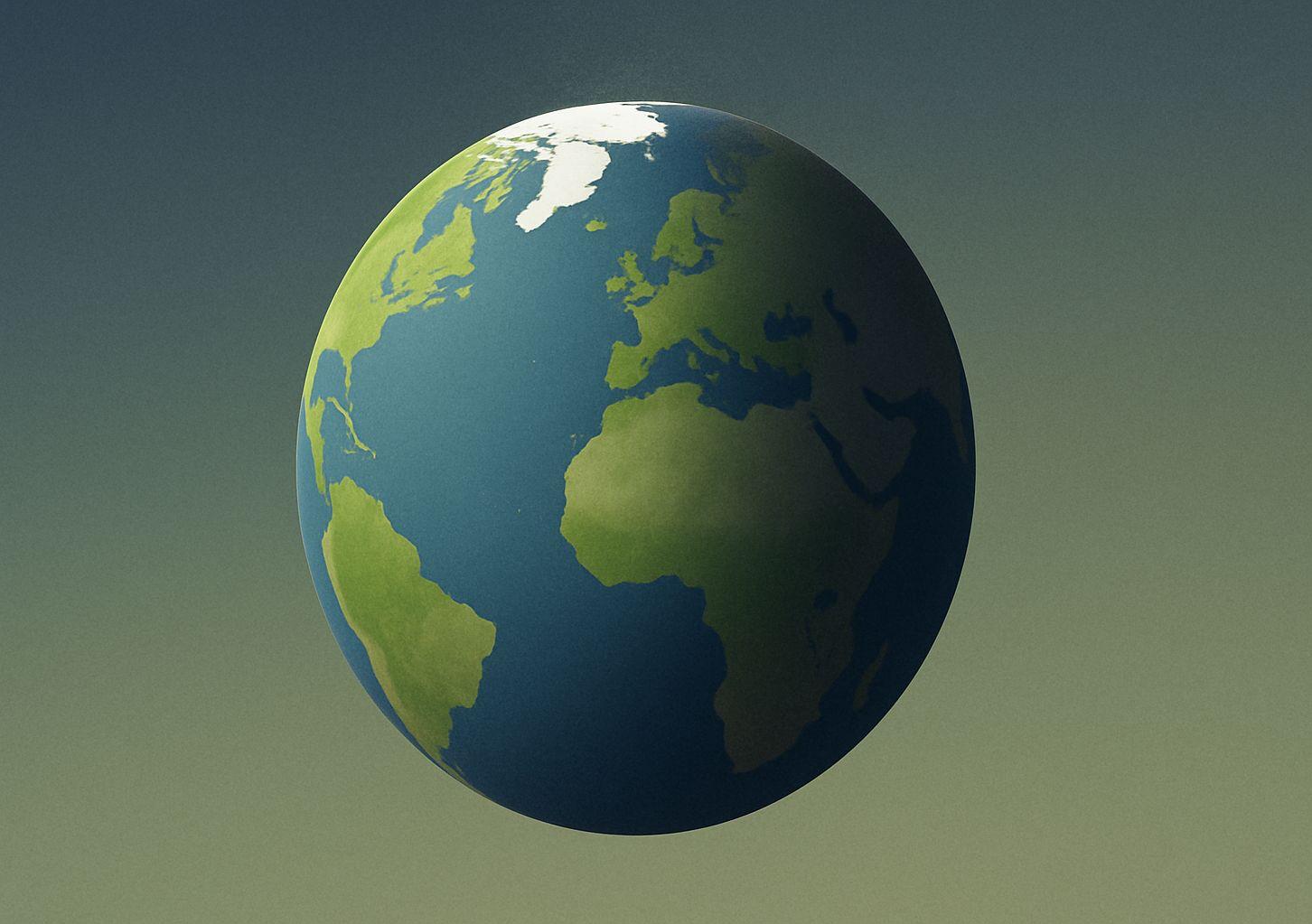
Learn when and how spring begins across the Northern and Southern Hemispheres — from equinoxes to cultural celebrations marking nature’s renewal.
Spring is one of the most eagerly anticipated seasons across the globe—a time that symbolizes renewal, light, and growth. But when exactly does spring begin? The answer depends not only on how we define it but also on where we are on Earth. In the Northern Hemisphere, spring marks the transition from the cold stillness of winter to the warmth of summer. Meanwhile, in the Southern Hemisphere, it signals the end of cool months and the arrival of longer, brighter days.
Understanding when spring starts involves exploring astronomical, meteorological, and cultural definitions. Each offers a different way of viewing this seasonal shift, shaped by geography and history. Let’s look at how these definitions differ—and how the start of spring feels on opposite sides of the world.
Table: Understanding the Start of Spring Across Hemispheres
Aspect | Northern Hemisphere | Southern Hemisphere | Explanation / Notes |
|---|
Astronomical Start (Vernal Equinox) | Around March 20–21 | Around September 22–23 | Determined by Earth’s position in its orbit; day and night are nearly equal in length. |
Meteorological Start | March 1 – May 31 | September 1 – November 30 | Based on annual temperature cycles and fixed for climate statistics. |
Reason for Seasonal Difference | Hemisphere tilted toward the Sun during this period | Hemisphere tilted away from the Sun during this period | Earth’s 23.5° axial tilt causes opposite seasons between hemispheres. |
Day Length Around Start of Spring | Increasing daylight hours | Increasing daylight hours | Both hemispheres experience longer days as spring begins locally. |
Common Natural Signs | Budding trees, blooming flowers, migrating birds returning | Blossoming wildflowers, lambing season, green pastures | Nature responds to temperature rise and longer days. |
Temperature Trend | Warming after winter | Warming after winter (local timing differs) | Gradual transition toward summer temperatures. |
Cultural Indicators | Easter, Nowruz, Holi, May Day, Flower Festivals | Spring fairs, agricultural shows, environmental celebrations | Cultural events symbolize renewal and growth. |
Calendar Association | Spring = March–May | Spring = September–November | Used in both meteorological and general cultural contexts. |
Examples of Countries | USA, Canada, UK, parts of Europe | Australia, New Zealand, South Africa | Seasonal cycles are opposite between these regions. |
Weather Characteristics | Gradual warming, melting snow, increased rainfall | Mild warming, blossoming landscapes, longer daylight | “Spring feeling” may vary by local climate. |
Agricultural Significance | Planting and seeding season begins | Lambing and crop growth season begins | Agriculture depends heavily on local spring timing. |
Cultural Mood / Symbolism | Renewal after cold and dormancy | Renewal after mild winter; anticipation of summer | Spring represents rebirth and balance worldwide. |
Holiday Timing Impact | Easter and related spring holidays in March–April | Comparable festivals or spring shows in September–October | Reflects reversed seasons across hemispheres. |
Scientific Basis | Defined by Earth’s orbit and equinox | Same equinox event, but marks opposite seasonal phase | The equinox is global but interpreted differently north and south. |
Length of Spring Season | ~3 months | ~3 months | Duration consistent worldwide in both meteorological and astronomical definitions. |
Perception of “Real Spring” | Can feel delayed due to lingering cold or snow | Can begin early in mild climates | Nature doesn’t always follow calendar dates precisely. |
Emotional / Psychological Aspect | Joy of longer days, return of light, outdoor activity resumes | Optimism, energy, and anticipation of summer | Both hemispheres associate spring with vitality and hope. |
Astronomical Start of Spring
Northern Hemisphere
In the Northern Hemisphere, the astronomical spring begins with the vernal equinox, which typically occurs around March 20 or 21. This is the moment when the Sun crosses the celestial equator, moving northward. Day and night are nearly equal in length, marking a perfect balance between light and darkness.
This phenomenon happens because the Earth’s axis is tilted by about 23.5 degrees, and as the planet orbits the Sun, the tilt determines how sunlight is distributed. After the March equinox, the Northern Hemisphere begins to tilt toward the Sun, leading to longer days and warmer temperatures.
Culturally, this shift has always been significant—from ancient equinox celebrations to modern festivities symbolizing rebirth and planting.
Southern Hemisphere
For the Southern Hemisphere, the situation is completely reversed. The spring equinox occurs around September 22 or 23, when the Sun moves southward across the equator. This marks the start of astronomical spring for regions like Australia, New Zealand, South Africa, and parts of South America.
Just as in the north, day and night are roughly equal, but from this point forward, the Southern Hemisphere begins to receive more direct sunlight. Days grow longer, and the atmosphere warms after the cool, sometimes damp winter months.
Although the equinox itself is a global event—happening simultaneously everywhere on Earth—the seasonal meaning flips between hemispheres. What is spring for the north is autumn for the south, and vice versa.
Meteorological Start of Spring
Northern Hemisphere
Meteorologists prefer a simpler system to divide the year into seasons—based on annual temperature patterns rather than astronomical positions. For the Northern Hemisphere, meteorological spring runs from March 1 to May 31.
This fixed calendar system allows for consistent comparisons of climate data and seasonal averages. It aligns closely with what most people in the U.S., Canada, and Europe experience: March feels transitional, April brings bursts of green, and May leads into the first signs of summer heat.
Meteorological spring is especially useful in weather forecasting, agriculture, and climatology. It’s a practical framework rather than an astronomical one—but for most northerners, it feels right in step with nature’s rhythm.
Southern Hemisphere
In the Southern Hemisphere, meteorological spring occurs from September 1 to November 30. The logic is the same: defining seasons by temperature cycles rather than planetary position.
For Australians and New Zealanders, September is the month of awakening. Blossoms appear, days lengthen, and the chill of winter slowly fades. By November, warmth builds, setting the stage for the dry heat or humidity of summer depending on region.
This fixed schedule is convenient for weather services and consistent record-keeping across hemispheres—though it can still clash with real-world conditions when cold snaps or heatwaves extend beyond their expected seasons.
Calendar-Based and Cultural Definitions
Northern Hemisphere
Beyond science, many societies have long used calendar or cultural markers to define the beginning of spring. In parts of the U.S., the first day of March is often seen as the unofficial start of spring, especially when winter fatigue sets in.
In the U.K., traditional festivals such as May Day, celebrated on May 1, mark the full arrival of spring and the promise of fertility and growth. For many northern cultures, spring represents the start of the agricultural cycle, when fields are plowed and seeds are planted.
Religious and cultural holidays such as Easter, Nowruz (Persian New Year), and Holi (Festival of Colors) all fall around the time of the spring equinox, emphasizing rebirth and renewal—a theme that transcends geography.
Southern Hemisphere
In the Southern Hemisphere, the cultural calendar shifts six months ahead. Australians celebrate spring from September through November, often linking it to outdoor festivals, flower shows, and agricultural events.
The Floriade Festival in Canberra and spring racing carnivals in various cities highlight how deeply spring is woven into the southern cultural rhythm. For Māori and Aboriginal traditions, this time often aligns with harvest transitions, new growth, or the spiritual renewal of the land.
While Easter and other global holidays remain tied to the Northern Hemisphere’s calendar, they occur in the Southern Hemisphere’s autumn—a reminder of how globally shared traditions can diverge seasonally.
Spring in the Southern Hemisphere vs Northern Hemisphere
Timing
Northern Hemisphere: March – May (meteorological), March 20–21 (astronomical)
Southern Hemisphere: September – November (meteorological), September 22–23 (astronomical)
The six-month offset defines nearly every difference between the hemispheres’ experiences of spring.
Sunlight and Weather
In the north, increasing sunlight melts snow, softens the landscape, and initiates plant growth. The Southern Hemisphere experiences this same effect half a year later, as winter’s cool air yields to longer, brighter days.
However, regional variations are vast. Spring in Canada may still bring snow in April, while in southern Australia, temperatures can already reach the mid-20s °C (70s °F).
Environmental Patterns
Northern Hemisphere: migratory birds return from the south; trees bud and bloom.
Southern Hemisphere: native flora such as wattles, jacarandas, and wildflowers bloom; animals emerge from seasonal dormancy.
Despite reversed timing, the ecological message is the same—renewal and regeneration.
Signs of Spring in Nature
Northern Hemisphere
In March and April, subtle changes mark the shift. Crocuses and daffodils push through thawing soil, birds return from migration, and daylight lingers into the evening. Temperatures can vary widely; a frosty morning might give way to a sunny afternoon.
Farmers monitor soil conditions for planting, while city dwellers note the return of green parks and pollen allergies alike. The change can be rapid or hesitant, but it’s unmistakable: the Earth is reawakening.
Southern Hemisphere
In the south, from September onward, the landscape undergoes a similar revival. Trees such as eucalypts and jacarandas begin to bloom, fields regain color, and native species prepare for reproduction.
Spring storms often bring bursts of rain essential for agriculture, followed by increasing warmth. In New Zealand, lambing season peaks, symbolizing life’s renewal. The scent of blooming wattles and wildflowers becomes a distinct hallmark of the season.
Cultural Celebrations and Traditions
Northern Hemisphere
Many springtime holidays have deep roots in the Northern Hemisphere’s seasonal cycle.
Easter represents resurrection and new life.
Holi, the Hindu festival of colors, celebrates the triumph of light and joy.
Nowruz, the Persian New Year, aligns directly with the equinox, marking renewal of nature and spirit.
In Western countries, spring festivals often include planting events, floral parades, and community gatherings celebrating warmer days and blooming landscapes.
Southern Hemisphere
In the Southern Hemisphere, spring festivals mirror the same sense of renewal but occur in September through November.
Floriade in Canberra celebrates floral diversity.
Spring racing events and country fairs coincide with the agricultural cycle.
Ecological festivals emphasize sustainability and the return of biodiversity.
For southern cultures, spring carries the same emotional energy as in the north—hope, awakening, and growth—just during a different part of the calendar.
Why the Difference Matters
Understanding when spring starts in each hemisphere is more than trivia—it shapes weather forecasting, agriculture, tourism, and even cultural identity.
In the Northern Hemisphere, spring aligns with many global media and retail cycles, influencing fashion, food, and holiday marketing. Meanwhile, in the Southern Hemisphere, those same months represent autumn, with spring themes appearing half a year later.
For travelers, knowing this distinction is practical: visiting the U.K. or Canada in April feels very different from visiting Australia or New Zealand at the same time. Understanding these opposing rhythms deepens appreciation for how our planet balances light, climate, and life.
Conclusion
Spring doesn’t begin at the same moment everywhere—and that’s what makes it fascinating. In the Northern Hemisphere, it arrives around March, when the world brightens after winter’s retreat. In the Southern Hemisphere, it awakens around September, when cool air softens and landscapes burst into bloom.
Whether defined by astronomy, meteorology, or tradition, spring represents one universal idea: renewal. Across both hemispheres, it is a time when the planet leans toward light and life resumes its pulse.
Recognizing these differences enhances our understanding of how Earth’s tilt, orbit, and culture intertwine, reminding us that no matter where we stand—north or south—the arrival of spring is always worth celebrating.