Capital Time Zone
New Zealand Daylight Time NZDT
What Time Is It in New Zealand Right Now?
Local time in Wellington
Today's Date and Day in Wellington (NZ):
Current Date and Time Information
Date&TimeDetails
Time Zone (IANA)
Day of Year
Days to Year End
Week of Year
Month of Year
Months to Year End
Current Season
Next Season
Leap Year
Next Leap Year
Today's Date in Other Formats
Unix
ISO
EU
US
SQL
New Zealand Time Difference Tool - Convert Time Easily
Easily convert time zones between New Zealand and any city, country, or time zone in the world. Use this tool to check the current time difference and plan meetings, calls, or travel with confidence. Choose any location as the primary reference point to display the time difference.
Explore Professional Features01:01PM
🌍 Time Zone Converter Guide
Compare times across different zones and explore any moment in the day
Click the up arrow to make any timezone your reference point. All time differences will be calculated from this base.
Drag the grip icon to rearrange timezones in your preferred order. Base timezone cannot be dragged but others can be reordered.
Click the X button to delete a timezone from your comparison. Cannot remove if it's the only one left.
Use the slider below to explore different times. Drag to see how times change across all zones simultaneously.
View hour tiles showing the full 24-hour day. Use the time slider to navigate through different hours. Darker tiles indicate nighttime hours.
Switch between 12h/24h format and choose "Each" to set different formats per timezone or "All" to apply the same format to all zones.
💡 Pro tip: Add more timezones using the search above, then set one as your base to see all time differences at a glance!
New Zealand - Country Information

The flag of New Zealand
OceaniaCapital
Continent
ISO Code
Time Zone
IANA Timezone
Neighbors
Explore More Countries
 New CaledoniaUTC+11:00NCT
 NigerUTC+01:00WAT
 Norfolk IslandUTC+12:00NFDT
 NigeriaUTC+01:00WAT
 NicaraguaUTC-06:00CST
 The NetherlandsUTC+02:00CEST
 NorwayUTC+02:00CEST
 NepalUTC+05:45NPT
 NauruUTC+12:00NRT
 NiueUTC-11:00NUT
 OmanUTC+04:00GST
 PanamaUTC-05:00EST
 PeruUTC-05:00PET
 French PolynesiaUTC-10:00TAHT
 Papua New GuineaUTC+10:00PGT
 PhilippinesUTC+08:00PHST
 PakistanUTC+05:00PKT
 PolandUTC+02:00CEST
 Saint Pierre and MiquelonUTC-02:00PMDT
 PitcairnUTC-08:00PST
Daylight Saving Time Changes in Pacific/Auckland
Track historical and upcoming DST transitions for Pacific/Auckland from 1900 to 2050. See when clocks spring forward or fall back and how the UTC offset changes.
Current Status in Pacific/Auckland
New Zealand Daylight Time (NZDT)
UTC+13
Next Change
April 4, 2027
Clocks fall back to New Zealand Standard Time (NZST)
| Date | Time | Change Type | UTC Offset |
|---|---|---|---|
September 30, 2029 | 03:00 | DST Start | UTC+13 |
April 1, 2029 | 02:00 | DST End | UTC+12 |
September 24, 2028 | 03:00 | DST Start | UTC+13 |
April 2, 2028 | 02:00 | DST End | UTC+12 |
September 26, 2027 | 03:00 | DST Start | UTC+13 |
April 4, 2027 | 02:00 | DST End | UTC+12 |
September 27, 2026 Historical | 03:00 | DST Start | UTC+13 |
April 5, 2026 Historical | 02:00 | DST End | UTC+12 |
September 28, 2025 Historical | 03:00 | DST Start | UTC+13 |
April 6, 2025 Historical | 02:00 | DST End | UTC+12 |
September 29, 2024 Historical | 03:00 | DST Start | UTC+13 |
April 7, 2024 Historical | 02:00 | DST End | UTC+12 |
New Zealand Time Zones
| IANA Time Zone | Full Name | Abbr | UTC Offset | DST Offset |
|---|---|---|---|---|
Pacific/Auckland CAPITAL | New Zealand Daylight Time | NZDT | +12 Hours | +13 Hours |
Pacific/Chatham | Chatham Island Daylight Time | CHADT | +12:45 Hours | +13:45 Hours |
New Zealand Time Zone: NZST, NZDT and the Chatham Quarter Hour
Twelve, then thirteen. New Zealand keeps New Zealand Standard Time at UTC+12 through the southern winter half of the year and New Zealand Daylight Time at UTC+13 through the southern summer half. Add twelve hours to UTC in the standard months and thirteen in the daylight months; the converter above runs the same sum against any city you name. One inhabited group offshore adds forty-five minutes to both figures.
Standard offset: New Zealand Standard Time (NZST), UTC+12
Daylight offset: New Zealand Daylight Time (NZDT), UTC+13
Chatham Islands: Forty-five minutes ahead of the mainland, in either season
Switch pattern: Forward in September, back in April
New Zealand Time Zone Quick Reference
Detail | Value |
|---|---|
Mainland IANA identifier | Pacific/Auckland |
Chatham identifier | Pacific/Chatham |
Standard time | NZST, UTC+12 |
Daylight time | NZDT, UTC+13 |
Chatham standard time | CHAST, UTC+12:45 |
Daylight saving time | Observed in both zones |
Daylight period begins | Last Sunday of September |
Daylight period ends | First Sunday of April |
Distinct offsets | Two |
The Chatham Islands and Their Quarter-Hour UTC Offset
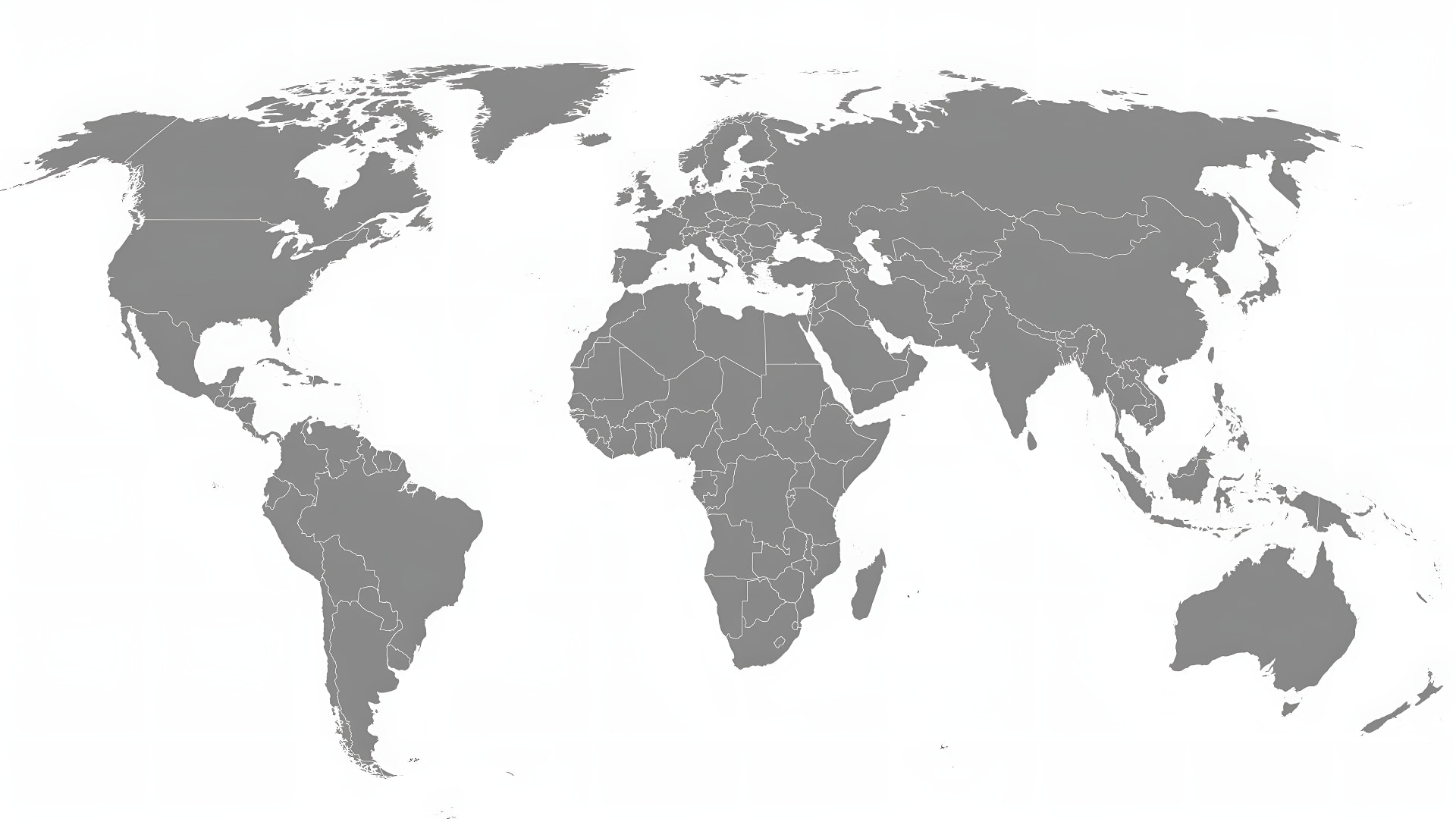
Past the meridian. The Chathams lie roughly 860 kilometres east of Christchurch, near 176 degrees west - on the far side of the 180th meridian from the country they belong to. Their offset of forty-five minutes above the mainland's is one of a bare handful of quarter-hour offsets anywhere in the world, and it exists because a full hour would overshoot local solar time while zero would leave the islands too far from it. Both zones switch on the same dates, so the forty-five minutes never widens or closes. Everywhere else reads identically: Auckland, Wellington, Christchurch, Hamilton, Dunedin and Stewart Island are one clock from end to end.
Daylight Saving Time in the Opposite Months
Inverted against the north. The daylight period covers the southern spring and summer, which are the months when Europe and North America sit on their standard clocks, and vice versa - the single fact that makes New Zealand awkward to schedule against the northern hemisphere. It is also the longer of the two periods, running past the halfway mark of the year. The dates are set nationally rather than regionally, and both zones are bound by the same decision, so no part of the country is ever out of step with another.
Why Local Time Here Once Ran on a Half Hour
First in the world. New Zealand adopted a single standard time for the whole country on 2 November 1868, the first state anywhere to do so, and set it at eleven and a half hours ahead of Greenwich - a fractional offset taken from a meridian that runs just west of Christchurch rather than from a round hour. Wartime regulation pushed the clock a further half hour in the 1940s and then made that permanent, producing the whole twelve hours the mainland still keeps; seasonal changes vanished with it and only returned in the mid-1970s. The fraction never left the country altogether, though - the Chathams' forty-five minutes is the surviving trace of fitting a clock to a place instead of to the nearest hour.
Time Difference From Fixed-Offset Cities
City | NZ standard (NZST) | NZ daylight (NZDT) |
|---|---|---|
Chatham Islands | 45 minutes ahead | 45 minutes ahead |
Tokelau | 1 hour ahead | Same time |
2 hours behind | 3 hours behind | |
3 hours behind | 4 hours behind | |
4 hours behind | 5 hours behind | |
4 hours behind | 5 hours behind | |
6.5 hours behind | 7.5 hours behind |
Only one side moves here. Every city in this table holds a permanent offset, so each gap changes only when New Zealand's own clock does - the Chathams excepted, since they move on the same dates and hold their fraction throughout, and Tokelau, which matches the mainland exactly during the daylight months. Cities with clocks of their own need three figures rather than two: London runs eleven hours behind while New Zealand is on standard time, thirteen while it is on daylight time, and twelve for the few weeks when only one hemisphere has switched. New York works identically at sixteen, eighteen and seventeen. Sydney is two hours behind almost all year, briefly three when New Zealand has moved and Australia has not.
Business Hours Across the Date Line
A day, not just hours. The New Zealand working day finishes before most of the northern hemisphere's begins, so a live conversation with Europe means an early morning at one end or a late evening at the other, with no arrangement that avoids it. Standing calls are the trap: because the hemispheres switch in opposite months, a weekly slot agreed once with London or New York drifts by up to two hours over a year while neither side changes anything deliberately. Flights compound it - arriving from Asia, Europe or the Americas costs a calendar day and the return gives it back, so a ticket's arrival date rarely matches its departure date. Always confirm schedules directly with the operator.
Frequently Asked Questions About Time in New Zealand
Is New Zealand the first country to see a new day?
Almost. Kiribati's Line Islands at UTC+14 begin the date earlier, and within New Zealand the Chathams reach it before the mainland does.
Is NZT a valid abbreviation?
It is informal shorthand only. The official pair is NZST and NZDT, and which one applies depends on the season rather than on preference.
Do the Pacific territories share New Zealand's clock?
No. Tokelau sits at UTC+13 without a seasonal change, while the Cook Islands and Niue lie the other side of the date line entirely, at UTC−10 and UTC−11.
How are times and dates written in New Zealand?
Both 12-hour and 24-hour forms are in everyday use, with timetables and official notices favouring the 24-hour clock. Dates run day first.
Why do Australian cities differ from each other against New Zealand?
Because Australia spans several zones and not every state keeps a seasonal clock, so Brisbane and Perth hold steady gaps while Sydney and Melbourne shift with their own daylight period.
Does the whole South Island keep the same time as Auckland?
Yes, without exception, despite the length of the country - Invercargill in the far south reads exactly as the largest city in the north.