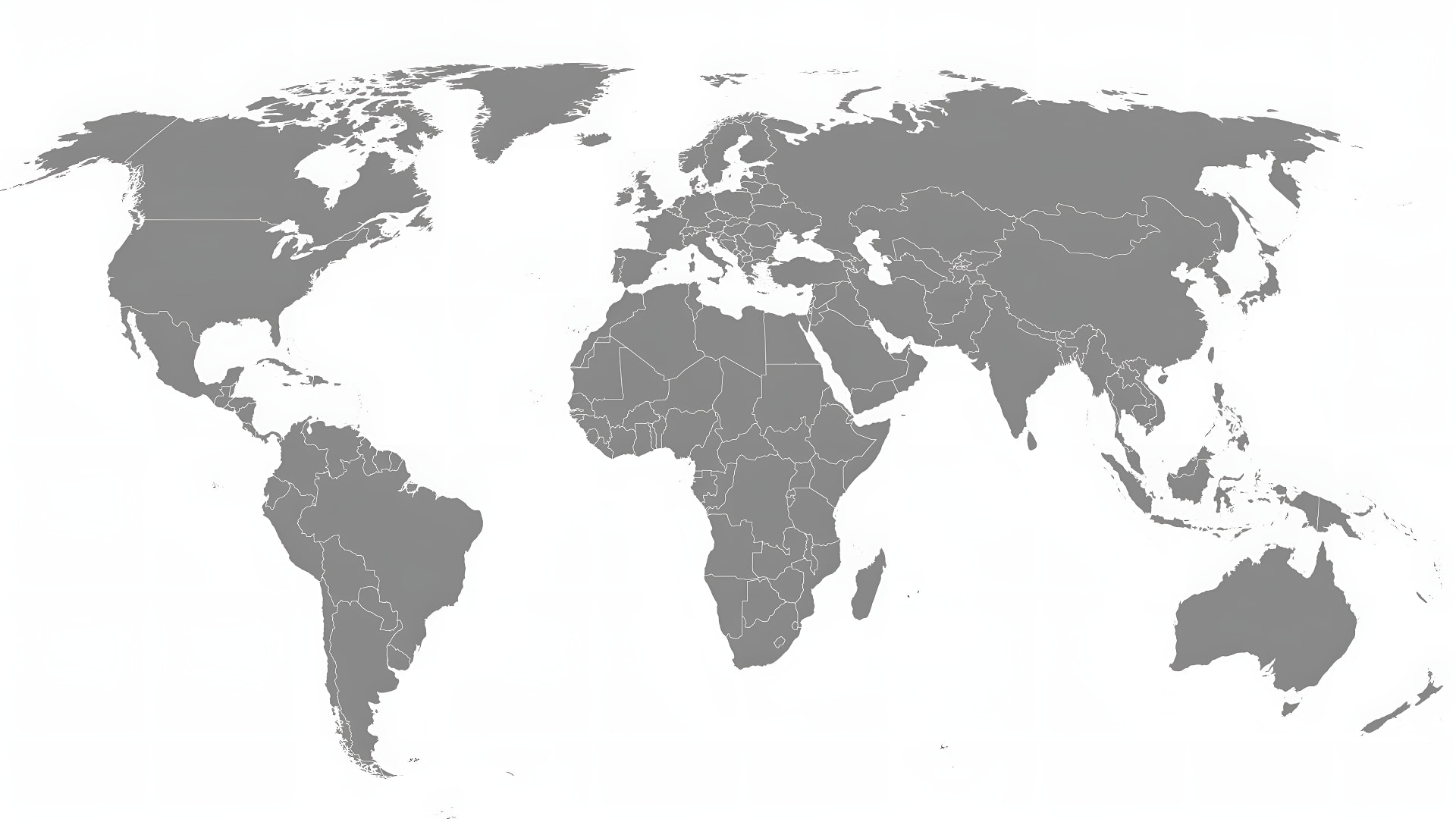
Capital Time Zone
Australian Eastern Daylight Time AEDT
What Time Is It in Australia Right Now?
Local time in Canberra
Today's Date and Day in Canberra (AU):
Current Date and Time Information
Date&TimeDetails
Time Zone (IANA)
Day of Year
Days to Year End
Week of Year
Month of Year
Months to Year End
Current Season
Next Season
Leap Year
Next Leap Year
Today's Date in Other Formats
Unix
ISO
EU
US
SQL
Australia Time Difference Tool - Convert Time Easily
Easily convert time zones between Australia and any city, country, or time zone in the world. Use this tool to check the current time difference and plan meetings, calls, or travel with confidence. Choose any location as the primary reference point to display the time difference.
Explore Professional Features01:01PM
🌍 Time Zone Converter Guide
Compare times across different zones and explore any moment in the day
Click the up arrow to make any timezone your reference point. All time differences will be calculated from this base.
Drag the grip icon to rearrange timezones in your preferred order. Base timezone cannot be dragged but others can be reordered.
Click the X button to delete a timezone from your comparison. Cannot remove if it's the only one left.
Use the slider below to explore different times. Drag to see how times change across all zones simultaneously.
View hour tiles showing the full 24-hour day. Use the time slider to navigate through different hours. Darker tiles indicate nighttime hours.
Switch between 12h/24h format and choose "Each" to set different formats per timezone or "All" to apply the same format to all zones.
💡 Pro tip: Add more timezones using the search above, then set one as your base to see all time differences at a glance!
Australia - Country Information

The flag of Australia
OceaniaCapital
Continent
ISO Code
Time Zone
IANA Timezone
Neighbors
Explore More Countries
 United Arab EmiratesUTC+04:00GST
 AfghanistanUTC+04:30AFT
 Antigua and BarbudaUTC-04:00AST
 AnguillaUTC-04:00AST
 AlbaniaUTC+02:00CEST
 ArmeniaUTC+04:00AMT
 AngolaUTC+01:00WAT
 ArgentinaUTC-03:00ART
 American SamoaUTC-11:00SST
 AustriaUTC+02:00CEST
 ArubaUTC-04:00AST
 Aland IslandsUTC+03:00EEST
 AzerbaijanUTC+04:00AZT
 Bosnia and HerzegovinaUTC+02:00CEST
 BarbadosUTC-04:00AST
 BangladeshUTC+06:00BST
 BelgiumUTC+02:00CEST
 Burkina FasoUTC+00:00GMT
 BulgariaUTC+03:00EEST
 BahrainUTC+03:00AST
Daylight Saving Time Changes in Australia/Sydney
Track historical and upcoming DST transitions for Australia/Sydney from 1900 to 2050. See when clocks spring forward or fall back and how the UTC offset changes.
Current Status in Australia/Sydney
Australian Eastern Standard Time (AEST)
UTC+10
Next Change
October 4, 2026
Clocks spring forward to Australian Eastern Daylight Time (AEDT)
| Date | Time | Change Type | UTC Offset |
|---|---|---|---|
October 7, 2029 | 03:00 | DST Start | UTC+11 |
April 1, 2029 | 02:00 | DST End | UTC+10 |
October 1, 2028 | 03:00 | DST Start | UTC+11 |
April 2, 2028 | 02:00 | DST End | UTC+10 |
October 3, 2027 | 03:00 | DST Start | UTC+11 |
April 4, 2027 | 02:00 | DST End | UTC+10 |
October 4, 2026 Historical | 03:00 | DST Start | UTC+11 |
April 5, 2026 Historical | 02:00 | DST End | UTC+10 |
October 5, 2025 Historical | 03:00 | DST Start | UTC+11 |
April 6, 2025 Historical | 02:00 | DST End | UTC+10 |
October 6, 2024 Historical | 03:00 | DST Start | UTC+11 |
April 7, 2024 Historical | 02:00 | DST End | UTC+10 |
Australia Time Zones
| IANA Time Zone | Full Name | Abbr | UTC Offset | DST Offset |
|---|---|---|---|---|
Australia/Sydney CAPITAL | Australian Eastern Daylight Time | AEDT | +10 Hours | +11 Hours |
Antarctica/Macquarie | Australian Eastern Daylight Time | AEDT | +10 Hours | +11 Hours |
Australia/Adelaide | Australian Central Daylight Time | ACDT | +9:30 Hours | +10:30 Hours |
Australia/Brisbane | Australian Eastern Standard Time | AEST | +10 Hours | +10 Hours |
Australia/Broken_Hill | Australian Central Daylight Time | ACDT | +9:30 Hours | +10:30 Hours |
Australia/Darwin | Australian Central Standard Time | ACST | +9:30 Hours | +9:30 Hours |
Australia/Eucla | Australian Central Western Standard Time | ACWST | +8:45 Hours | +8:45 Hours |
Australia/Hobart | Australian Eastern Daylight Time | AEDT | +10 Hours | +11 Hours |
Australia/Lindeman | Australian Eastern Standard Time | AEST | +10 Hours | +10 Hours |
Australia/Lord_Howe | Lord Howe Daylight Time | LHDT | +10:30 Hours | +11 Hours |
What Time Is It in Australia?
Australia spans multiple time zones, so there is no single national time. The live clock above shows the current time based on your selection. Depending on the state, local time can differ by 30 minutes, 2 hours, or up to 3 hours during daylight saving.
Australia Time Zones at a Glance
Time Zone | UTC Offset | Major Cities | DST |
|---|---|---|---|
AWST (Western) | UTC+8 | No | |
ACST (Central) | UTC+9:30 | Adelaide, Darwin | SA: Yes / NT: No |
AEST (Eastern) | UTC+10 | Depends on state |
Which States Observe Daylight Saving Time?
State | DST |
|---|---|
New South Wales | Yes |
Victoria | Yes |
Tasmania | Yes |
ACT | Yes |
South Australia | Yes |
Queensland | No |
Western Australia | No |
Northern Territory | No |
Why Australia Has Different Time Zones
Three main zones split the country roughly along longitude lines, matching each region to its natural solar time.
Central Time sits at UTC+9:30 rather than a full hour, splitting the difference between the neighboring Western and Eastern zones.
Sydney and Perth stand two hours apart under standard time, but the gap grows to three hours whenever the eastern states shift into daylight saving. Western Australia doesn't participate, so its clock stays fixed while the eastern gap widens around it. Any future changes to daylight saving rules depend on regional or national decisions.
Australia Compared With Major Countries
Location | Difference from Sydney |
|---|---|
Usually 9–11 hours behind | |
Usually 14–16 hours behind | |
1 hour behind under AEST, 2 under AEDT | |
2 hours behind under AEST, 3 under AEDT | |
2 hours ahead in both matched seasons |
Auckland holds a steady two hours ahead of Sydney because both countries run a southern daylight calendar, but they switch on different weekends — New Zealand moves in late September, Australia in early October, so the gap opens to three hours for a few weeks each spring. Time in New Zealand sets out both offsets, including the Chatham Islands' quarter-hour figure.
Major Australian Cities
City | Time Zone |
|---|---|
AEST | |
AEST | |
AEST | |
AWST | |
ACST | |
Darwin | ACST |
Hobart | AEST |
AEST |
Quick Facts
Detail | Value |
|---|---|
Main time zones | 3 |
States/territories observing DST | 5 |
States/territories without DST | 3 |
Largest time difference within Australia | 3 hours |
Half-hour time zone | ACST (UTC+9:30) |
Biggest Sources of Confusion
Not one time zone. Australia has three main time zones, plus local variations, not a single national time.
Brisbane and Sydney don't always match. They align only outside daylight saving season.
Perth's gap with Sydney changes. It's two hours under standard time, but grows to three hours during daylight saving.
One more quirk: the remote settlement of Eucla unofficially keeps a 45-minute offset from UTC, separate from any state-wide rule.
Frequently Asked Questions
Why does Australia have multiple time zones?
The country's width spans several longitude bands, so different regions align with different points in the solar day.
Is all of Australia on the same time?
No. Time differs by up to three hours depending on the state and the time of year.
Does Australia observe daylight saving time?
Some states do and some don't — New South Wales, Victoria, Tasmania, the ACT, and South Australia currently follow a seasonal schedule, while Queensland, Western Australia, and the Northern Territory keep a fixed offset year-round.
Is Auckland always two hours ahead of Sydney?
In matched seasons, yes. Both countries observe a southern daylight period, so the gap holds at two hours for most of the year and widens to three for the weeks when New Zealand has switched and Australia has not. See time in New Zealand for the exact dates.
Why is Adelaide 30 minutes different from Sydney?
South Australia uses a half-hour offset (UTC+9:30) rather than a full hour, unlike most of the country.
Why does Perth become three hours behind Sydney sometimes?
Because Western Australia doesn't observe daylight saving, while Sydney does — the standard two-hour gap grows to three during that season.
Which Australian state doesn't change its clocks?
Queensland, Western Australia, and the Northern Territory all keep a fixed offset year-round.
What is the time zone in Sydney?
Sydney uses AEST, at UTC+10 standard time.
What is the time zone in Perth?
Perth uses AWST, at UTC+8 year-round.