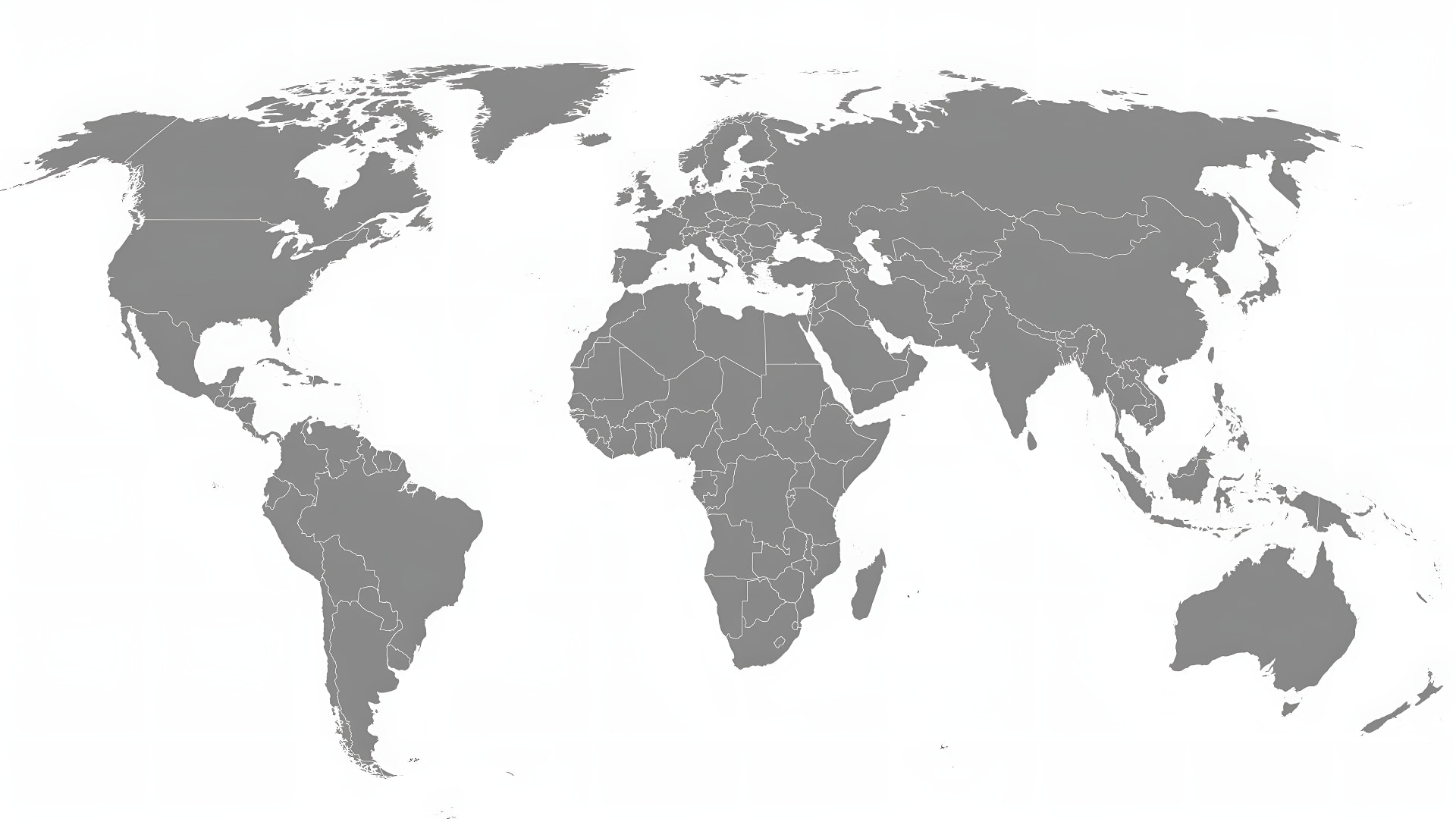
Capital Time Zone
Eastern European Summer Time EEST
What Time Is It in Estonia Right Now?
Local time in Tallinn
Today's Date and Day in Tallinn (EE):
Current Date and Time Information
Date&TimeDetails
Time Zone (IANA)
Day of Year
Days to Year End
Week of Year
Month of Year
Months to Year End
Current Season
Next Season
Leap Year
Next Leap Year
Today's Date in Other Formats
Unix
ISO
EU
US
SQL
Estonia Time Difference Tool - Convert Time Easily
Easily convert time zones between Estonia and any city, country, or time zone in the world. Use this tool to check the current time difference and plan meetings, calls, or travel with confidence. Choose any location as the primary reference point to display the time difference.
Explore Professional Features01:05PM
🌍 Time Zone Converter Guide
Compare times across different zones and explore any moment in the day
Click the up arrow to make any timezone your reference point. All time differences will be calculated from this base.
Drag the grip icon to rearrange timezones in your preferred order. Base timezone cannot be dragged but others can be reordered.
Click the X button to delete a timezone from your comparison. Cannot remove if it's the only one left.
Use the slider below to explore different times. Drag to see how times change across all zones simultaneously.
View hour tiles showing the full 24-hour day. Use the time slider to navigate through different hours. Darker tiles indicate nighttime hours.
Switch between 12h/24h format and choose "Each" to set different formats per timezone or "All" to apply the same format to all zones.
💡 Pro tip: Add more timezones using the search above, then set one as your base to see all time differences at a glance!

Explore More Countries
 Christmas IslandUTC+07:00CXT
 CyprusUTC+03:00EEST
 CzechiaUTC+02:00CEST
 GermanyUTC+02:00CEST
 DjiboutiUTC+03:00EAT
 DenmarkUTC+02:00CEST
 DominicaUTC-04:00AST
 Dominican RepublicUTC-04:00AST
 AlgeriaUTC+01:00CET
 EcuadorUTC-05:00ECT
 EgyptUTC+03:00EEST
 Western SaharaUTC+00:00WAT
 EritreaUTC+03:00EAT
 SpainUTC+02:00CEST
 EthiopiaUTC+03:00EAT
 FinlandUTC+03:00EEST
 FijiUTC+12:00FJT
 Falkland IslandsUTC-03:00FKST
 MicronesiaUTC+11:00PONT
 Faroe IslandsUTC+01:00WEST

Daylight Saving Time Changes in Europe/Tallinn
Track historical and upcoming DST transitions for Europe/Tallinn from 1900 to 2050. See when clocks spring forward or fall back and how the UTC offset changes.
Current Status in Europe/Tallinn
Eastern European Summer Time (EEST)
UTC+3
Next Change
October 25, 2026
Clocks fall back to Eastern European Time (EET)
| Date | Time | Change Type | UTC Offset |
|---|---|---|---|
October 28, 2029 | 03:00 | DST End | UTC+2 |
March 25, 2029 | 04:00 | DST Start | UTC+3 |
October 29, 2028 | 03:00 | DST End | UTC+2 |
March 26, 2028 | 04:00 | DST Start | UTC+3 |
October 31, 2027 | 03:00 | DST End | UTC+2 |
March 28, 2027 | 04:00 | DST Start | UTC+3 |
October 25, 2026 | 03:00 | DST End | UTC+2 |
March 29, 2026 Historical | 04:00 | DST Start | UTC+3 |
October 26, 2025 Historical | 03:00 | DST End | UTC+2 |
March 30, 2025 Historical | 04:00 | DST Start | UTC+3 |
October 27, 2024 Historical | 03:00 | DST End | UTC+2 |
March 31, 2024 Historical | 04:00 | DST Start | UTC+3 |
Estonia Time Zones & Neighboring Countries
| IANA Time Zone | Full Name | Abbr | UTC Offset | DST Offset |
|---|---|---|---|---|
Europe/Tallinn CAPITAL | Eastern European Summer Time | EEST | +2 Hours | +3 Hours |
Estonia Time Zone: EET, EEST and Timestamps That Carry Legal Weight
Two hours, then three. Estonia keeps Eastern European Time at UTC+2 through the winter half of the year and Eastern European Summer Time at UTC+3 through the summer half. Add two hours to UTC in winter, three in summer, and the converter above runs the same sum against any city you name. Finland and Latvia read identically; Russia matches for one season only.
Winter clock: Eastern European Time (EET), UTC+2
Summer clock: Eastern European Summer Time (EEST), UTC+3
Switch pattern: Forward in spring, back in autumn
Regional exceptions: None, mainland or islands
Estonia Time Zone Quick Reference
Detail | Value |
|---|---|
IANA identifier | Europe/Tallinn |
Standard time | EET, UTC+2 |
Summer time | EEST, UTC+3 |
Daylight saving time | Observed |
Summer time begins | Last Sunday of March |
Summer time ends | Last Sunday of October |
Zones in use | One |
Local Time as Legal Evidence in the E-State
The later moment wins. Estonia was the first country to run a binding nationwide internet vote, in 2005, and the rule making it work is a rule about time: during the advance period a voter may cast an electronic ballot as often as they like, and only the last one counts, earlier ones discarded and all of them cancelled by a paper vote. The safeguard lets anyone pressured into a choice quietly replace it, and the Supreme Court has upheld it as the provision that makes the system workable. What decides the outcome is not the content of the earlier ballots but the order of the moments they were signed at - the same logic that runs through the wider digital state, where a qualified timestamp, not an office hour, is what the law reads.
Why One UTC Offset Covers the Mainland and the Islands
No exception anywhere. Estonia keeps a single reading from the Russian border to the far side of the Baltic islands, with no county or municipality holding authority over it: Tallinn, Tartu, Narva, Pärnu, Saaremaa and Hiiumaa all read the same figure at the same instant. The same pair of offsets runs the whole eastern band, so Finland to the north and Latvia and Lithuania to the south are on the identical clock in every week of the year.
Clock Changes Fixed by the Union, Not by Tallinn
No national lever. EU law sets the two switch dates identically for every member state, so no Estonian authority can move them. Ending seasonal changes remains a legal possibility with no year attached: each state would name its own permanent offset, and nothing is fixed. Estonia would be choosing for a country sharing its offset with three neighbours, so a divergence here would break an alignment running the length of the eastern band.
Time Difference From Major World Hubs
City | Estonian winter (EET) | Estonian summer (EEST) |
|---|---|---|
Same time | Same time | |
1 hour ahead | Same time | |
1 hour behind | 1 hour behind | |
2 hours behind | 2 hours behind | |
2 hours behind | 3 hours behind | |
3 hours ahead | 2 hours ahead | |
7 hours behind | 7 hours behind |
Two cells read the same, for different reasons. Helsinki matches in both columns because it keeps the identical offsets on the identical dates. Moscow matches only in summer, holding a permanent UTC+3 while Estonia climbs to meet it and drops away again each autumn. Stockholm, London and New York keep steady gaps because each runs a seasonal clock aligned with this one. Karachi holds a fixed offset and loses an hour of standing once Estonian summer time begins, while Bamako moves the other way and falls an hour further behind.
Business Hours Across the Gulf
Two capitals, one clock. Tallinn and Helsinki sit a short ferry crossing apart and read the same figure every week of the year, so the two labour markets and the traffic between them need no conversion, and neither do Riga and Vilnius. Stockholm and Central Europe are an hour behind, so a morning meeting here lands mid-morning there. Ferries and regional flights print departures in the local time of each end and thin out across the gulf in winter, so a summer connection may have no winter equivalent. Always confirm schedules directly with the operator.
Frequently Asked Questions About Time in Estonia
Why the eastern zone rather than the central one?
Because it aligns Estonia with Finland, Latvia and Lithuania, the countries its transport, labour market and administration are most tightly bound to. Sweden and Poland keep the central zone an hour behind.
Does Estonia share a clock with Russia?
Through the summer months only. Russia holds a fixed offset with no seasonal change, so once Estonia returns to standard time in autumn the Russian side is an hour ahead again.
What do suveaeg and talveaeg mean?
Suveaeg is summer time and talveaeg is the everyday name for the standard half of the year, both used in Estonian notices alongside the numeric offsets.
Do Estonian timetables use the 24-hour clock?
Yes. Ferry, rail, bus and airline schedules use 24-hour notation, so an evening departure reads 20:15. Dates run day first.
Which time do e-services quote for deadlines?
Local Estonian time, with the underlying record kept in a form independent of the seasonal offset - which is why a filing deadline does not shift when the clocks do.
Is Estonia in the same zone as Lithuania?
Yes, along with Latvia and Finland: all four keep EET and EEST and switch on the same two Sundays.