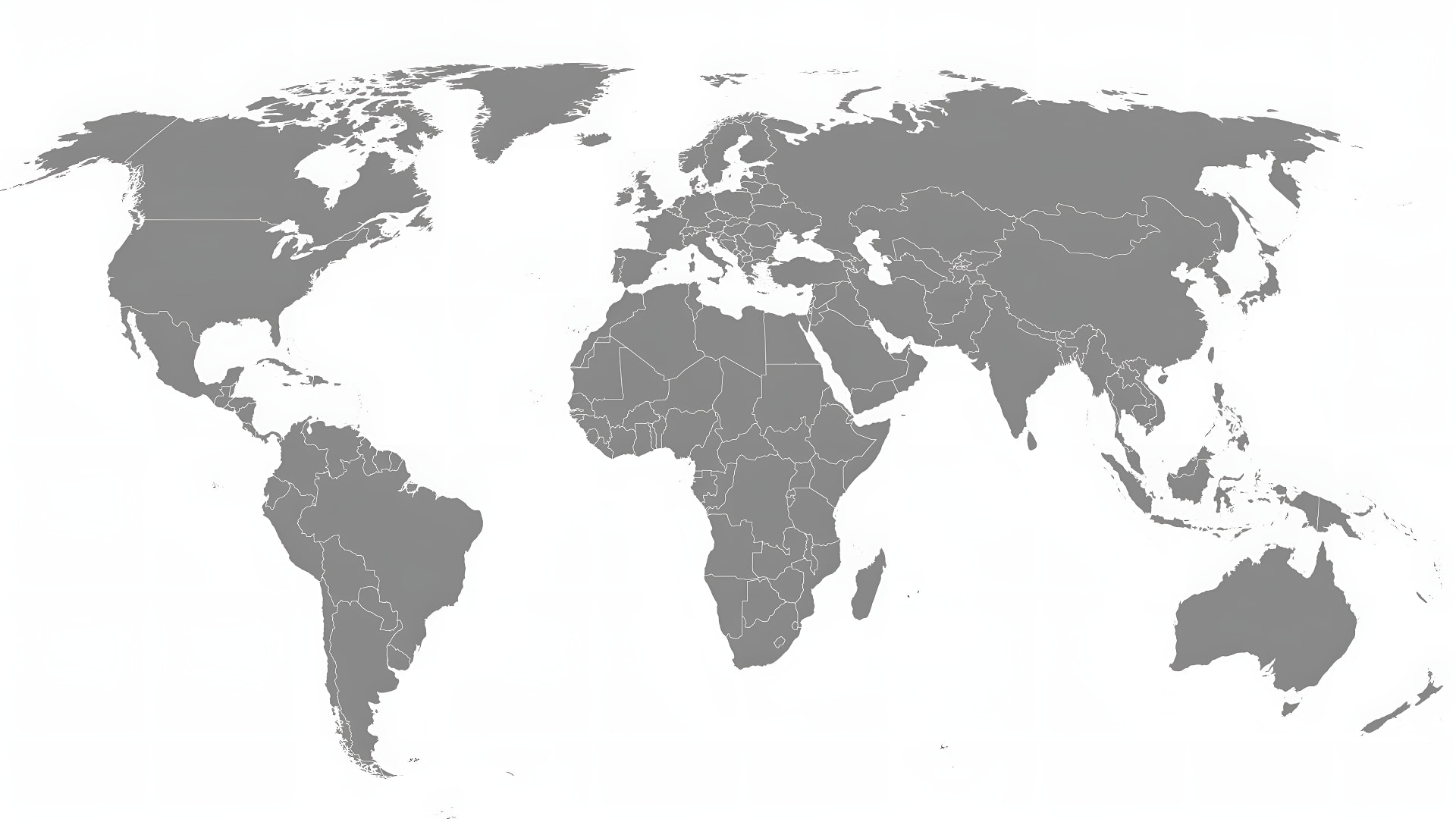
UTC OffsetUTC+1
Central European Time (CET) - Time Zone
Central European Time Time Zone Converter
Convert Central European Time (CET) to any time zone worldwide. Whether you're scheduling meetings with European colleagues, coordinating with Berlin or Paris offices, or planning travel across the continent, our CET converter gives you accurate time differences instantly. Simply select your target time zone and get precise conversions for UTC+1.
12:16PM
🌍 Time Zone Converter Guide
Compare times across different zones and explore any moment in the day
Click the up arrow to make any timezone your reference point. All time differences will be calculated from this base.
Drag the grip icon to rearrange timezones in your preferred order. Base timezone cannot be dragged but others can be reordered.
Click the X button to delete a timezone from your comparison. Cannot remove if it's the only one left.
Use the slider below to explore different times. Drag to see how times change across all zones simultaneously.
View hour tiles showing the full 24-hour day. Use the time slider to navigate through different hours. Darker tiles indicate nighttime hours.
Switch between 12h/24h format and choose "Each" to set different formats per timezone or "All" to apply the same format to all zones.
💡 Pro tip: Add more timezones using the search above, then set one as your base to see all time differences at a glance!
Understanding Central European Time (CET): Complete Guide to UTC+1
Central European Time (CET) is the standard time zone across most of continental Europe, from Spain to Poland and Norway to Italy. This guide explains everything you need to know about CET—from its UTC+1 offset and the difference between CET and CEST, to time conversions, largest cities, historical background, and practical uses for business, travel, and international coordination across Europe.
What Is Central European Time (CET)?
Central European Time (CET) is the standard time zone used across most of continental Europe. It sits one hour ahead of Coordinated Universal Time, at a fixed offset of UTC+1.
CET serves as the standard time for much of Europe during the winter months. When daylight saving time kicks in, the region shifts to Central European Summer Time (CEST), which is UTC+2. This seasonal switch runs from the last Sunday in March through the last Sunday in October—and unlike the US, all European countries change their clocks at the same moment: 01:00 UTC.
Geographic Coverage
Central European Time covers an enormous swath of Europe—from Spain in the west to Poland in the east, and from Norway in the north to Malta in the south. Major countries using CET include Germany, France, Italy, Spain, Poland, the Netherlands, Belgium, Austria, Switzerland, Sweden, Norway, Denmark, Czech Republic, and Hungary.
The time zone also extends into North Africa. Algeria and Tunisia use CET year-round (they don't observe daylight saving time), and Morocco follows the same UTC+1 offset.
Here's the catch: geographically, CET doesn't always make sense. Spain should technically be in the same time zone as Portugal and the UK (UTC+0), but switched to CET in 1940 during World War II to align with Nazi Germany—and never switched back. The result? Sunset in western Spain happens nearly two hours later than solar noon would suggest.
When compared to neighboring time zones:
CET is one hour ahead of Western European Time/GMT (UTC+0).
CET is one hour behind Eastern European Time (UTC+2).
10 Largest Cities in the Central European Time Zone
Rank | City | Country | Approximate Population | Notes |
|---|---|---|---|---|
1 | ~3,400,000 | Germany's capital | ||
2 | ~3,300,000 | Spain's capital | ||
3 | ~2,800,000 | The Eternal City | ||
4 | ~2,100,000 | City of Light | ||
5 | ~1,900,000 | City of Music | ||
6 | ~1,800,000 | Germany's second largest | ||
7 | ~1,800,000 | Poland's capital | ||
8 | ~1,700,000 | Pearl of the Danube | ||
9 | ~1,600,000 | Catalonia's capital | ||
10 | ~1,500,000 | Bavaria's capital |
Historical Background
Central European Time emerged in the late 19th century as railroads demanded standardized timekeeping. Germany unified its time zones to CET in 1893, and other European countries gradually followed—Austria-Hungary, Italy, Denmark, Norway, and Sweden all adopted CET before World War I.
The time zone is centered on the 15th meridian east, which runs through eastern Germany near the city of Görlitz. But political decisions have stretched CET far beyond its natural geographic boundaries. France adopted CET during the German occupation in 1940 and kept it after liberation. Spain made the same switch voluntarily that year, aligning with its fascist ally.
The result is that CET now covers countries spanning nearly 40 degrees of longitude—from the western tip of Spain (9°W) to the eastern border of Poland (24°E). That's a three-hour difference in solar time, all squeezed into one time zone for political and economic convenience.
Central European Time vs Central European Summer Time
CET and CEST are not interchangeable—they represent two different time offsets.
Central European Time (CET): UTC+1, used roughly from late October to late March.
Central European Summer Time (CEST): UTC+2, used roughly from late March to late October.
The switch happens on the last Sunday of March (clocks spring forward at 2:00 AM to 3:00 AM) and the last Sunday of October (clocks fall back at 3:00 AM to 2:00 AM). All EU countries change simultaneously at 01:00 UTC, which means:
In CET countries: 2:00 AM becomes 3:00 AM (spring) or 3:00 AM becomes 2:00 AM (fall)
The actual local time of the switch varies by time zone, but the moment is synchronized across Europe
Daylight Saving Time and CET
The European Union has been debating whether to abolish the twice-yearly clock change since 2018, when a public survey showed 84% of respondents wanted to end the practice. The European Parliament voted in 2019 to scrap seasonal time changes, but the proposal has been stuck in bureaucratic limbo ever since. As of late 2025, no final decision has been made.
Some countries within CET don't observe summer time at all. Algeria and Tunisia stay on UTC+1 year-round. Iceland, while not on CET, famously stays on UTC+0 permanently despite its far-northern location.
Practical Uses of Central European Time
CET is the backbone of European business and commerce:
Financial Markets: Major European stock exchanges—Frankfurt (DAX), Paris (CAC 40), Amsterdam (AEX), and Milan—all operate on Central European Time. Trading hours typically run from 9:00 AM to 5:30 PM CET, overlapping with both Asian market closes and US market opens.
European Union Operations: Brussels, the de facto capital of the EU, runs on CET. European Commission meetings, Parliament sessions, and regulatory deadlines all follow Central European Time.
Manufacturing and Supply Chains: Germany, Europe's industrial powerhouse, operates on CET. Automotive production schedules, just-in-time delivery windows, and factory shift changes across the continent coordinate around this time zone.
Media and Broadcasting: Pan-European TV broadcasts, sports events (Champions League, Eurovision), and news programming schedule around CET to reach the maximum audience.
Aviation: European flight schedules use local time, but air traffic control and flight planning systems often reference CET as a common standard across the continent.
Common Confusions and Mistakes
Several errors come up regularly with Central European Time:
Mixing up CET and CEST: Using CET year-round when CEST applies for about seven months of the year.
Forgetting Spain's time zone quirk: Spain is on CET despite being geographically aligned with the UK. Madrid is actually west of London, yet it's one hour ahead.
Assuming all of Europe uses CET: The UK, Ireland, and Portugal use Western European Time (UTC+0). Greece, Finland, and the Baltic states use Eastern European Time (UTC+2).
Confusing with US Central Time: American Central Time (CST/CDT) is UTC−6/−5, while CET is UTC+1. That's a 7-8 hour difference, not similar at all despite the similar name.
How to Convert Central European Time
Converting Central European Time requires knowing whether summer time is in effect:
During Standard Time (CET, roughly Nov-Mar):
CET to UTC: Subtract 1 hour (Example: 10:00 AM CET → 9:00 AM UTC)
CET to EST: Subtract 6 hours (Example: 10:00 AM CET → 4:00 AM EST)
CET to PST: Subtract 9 hours (Example: 10:00 AM CET → 1:00 AM PST)
During Summer Time (CEST, roughly Mar-Oct):
CEST to UTC: Subtract 2 hours (Example: 10:00 AM CEST → 8:00 AM UTC)
CEST to EDT: Subtract 6 hours (Example: 10:00 AM CEST → 4:00 AM EDT)
CEST to PDT: Subtract 9 hours (Example: 10:00 AM CEST → 1:00 AM PDT)
Note: The US and Europe switch to/from daylight saving time on different dates, creating a few weeks each spring and fall when the time difference changes.
Time Difference with CET
Time differences between Central European Time (CET, UTC+1) and major world time zones:
Time Zone | Time Difference with CET (UTC+1) |
|---|---|
Coordinated Universal Time (UTC) | −1 hour |
Greenwich Mean Time (GMT, UTC±0) | −1 hour |
Eastern Standard Time (EST, UTC−5) | −6 hours |
Pacific Standard Time (PST, UTC−8) | −9 hours |
Eastern European Time (EET, UTC+2) | +1 hour |
Moscow Standard Time (MSK, UTC+3) | +2 hours |
India Standard Time (IST, UTC+5:30) | +4 hours 30 minutes |
China Standard Time (CST, UTC+8) | +7 hours |
Japan Standard Time (JST, UTC+9) | +8 hours |
Australian Eastern Standard Time (AEST, UTC+10) | +9 hours |
Conclusion
Central European Time is the glue that holds continental Europe together—at least when it comes to scheduling. From Berlin boardrooms to Barcelona beaches, CET synchronizes business, travel, and daily life across some of the world's most economically important countries.
The time zone's boundaries are more political than geographic, stretching from the Atlantic coast of Spain to the plains of Poland. But that's part of what makes European time work: a shared clock that keeps the EU's single market ticking in sync. Whether you're catching a flight from Frankfurt or joining a video call with colleagues in Paris, understanding CET—and knowing when it switches to CEST—keeps you on European time.